Quest field atlas / mold
Mold Definitions
Though there are over 200,000 different kinds of molds, they have different shapes, colors, structures, and toxin concentrations to help figure out what they are. Understanding the most common forms of mold can help you identify and deal with mold issues you might uncover.
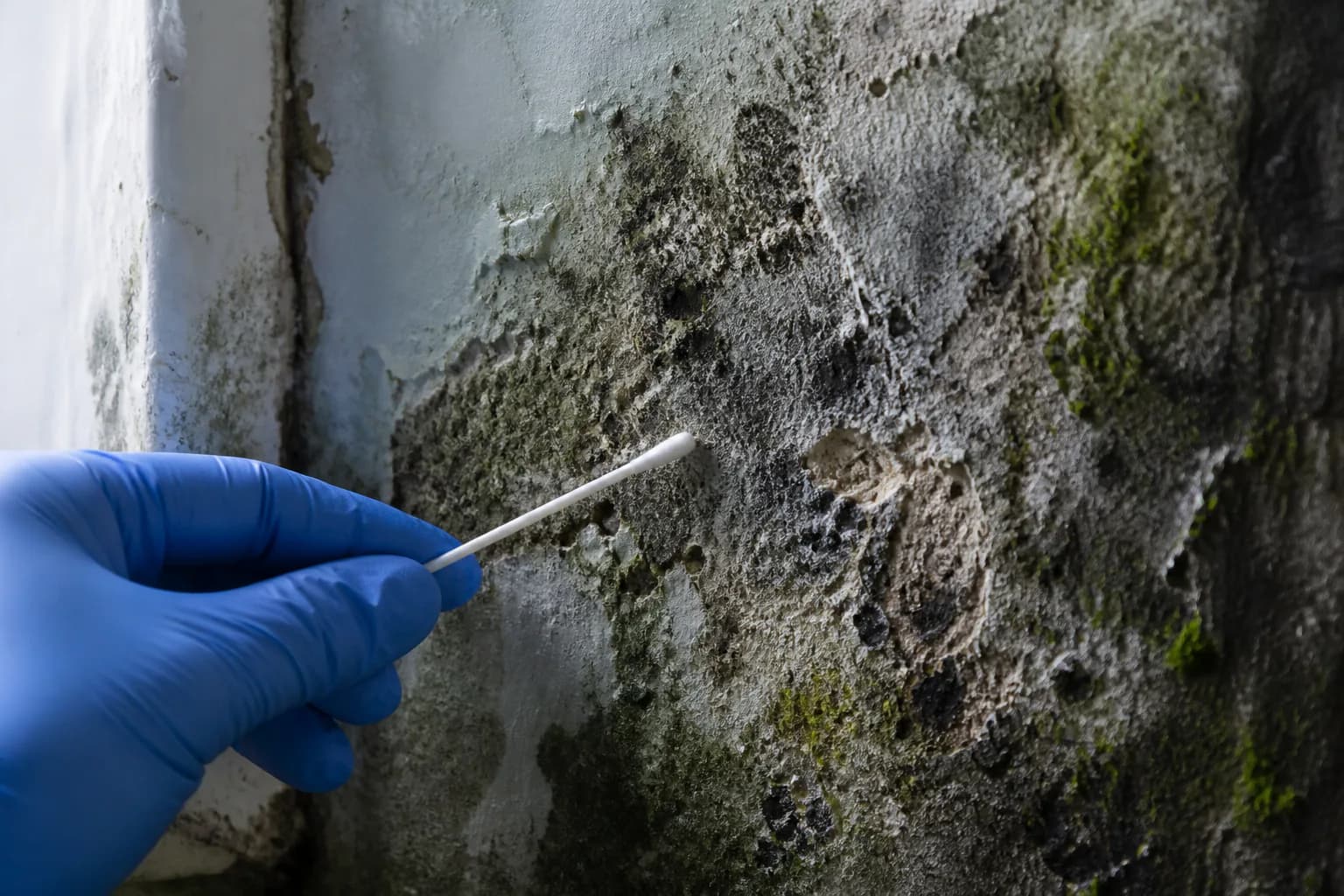
Visual field notes / 01
Color is a clue.
Not a conclusion.
Mold can look different as it develops and responds to its environment. These profiles organize the visible characteristics described in Quest's guide.
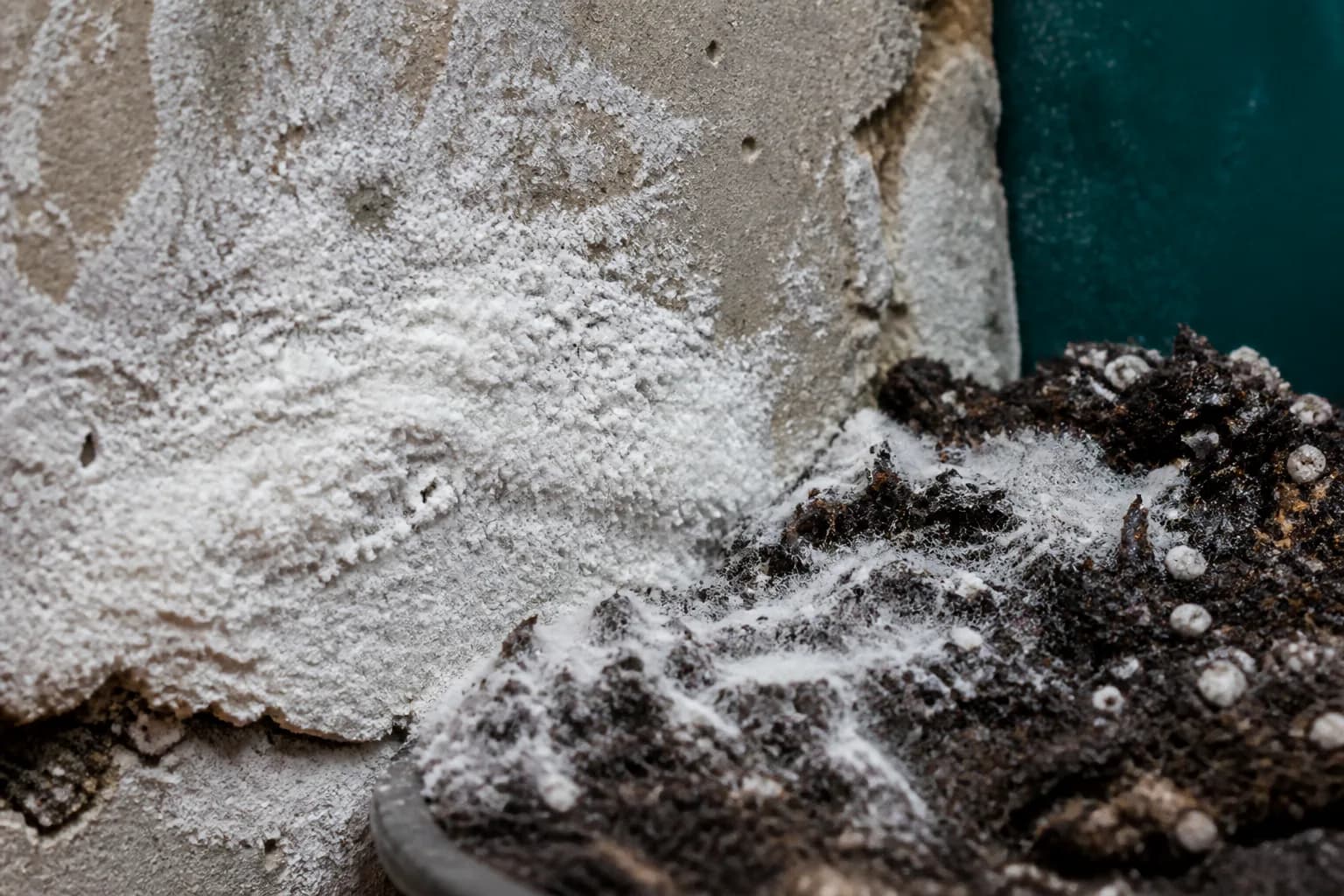
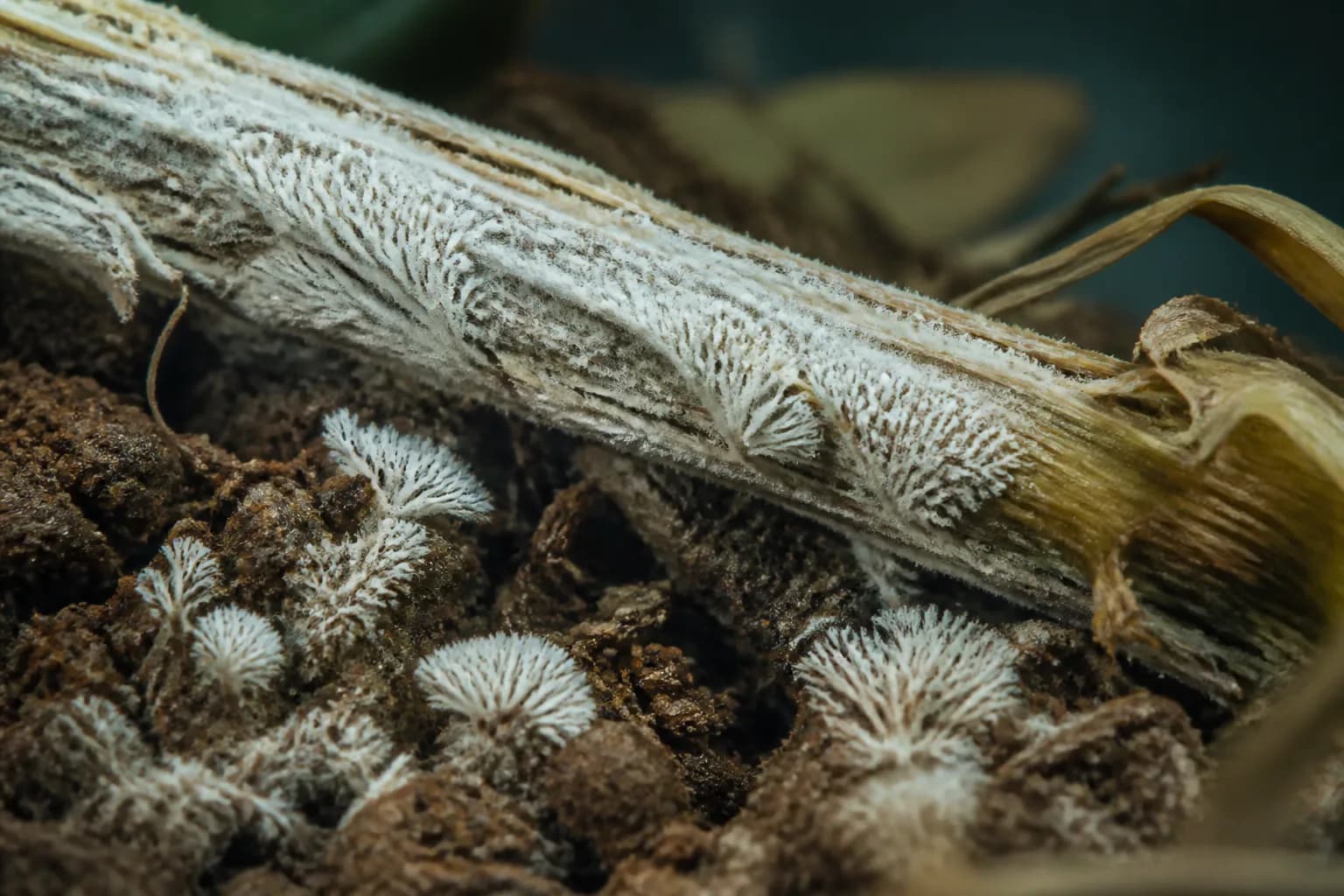
White Mold
- Where it forms
- White mold primarily manifests overwatered soil, which holds excess moisture. It is also formed on bread and cheese after they become moldy.
- Appearance
- A white, powdery-looking mold. Not as dangerous as many other kinds of mold but still needs taken care of to avoid health concerns and property damage.
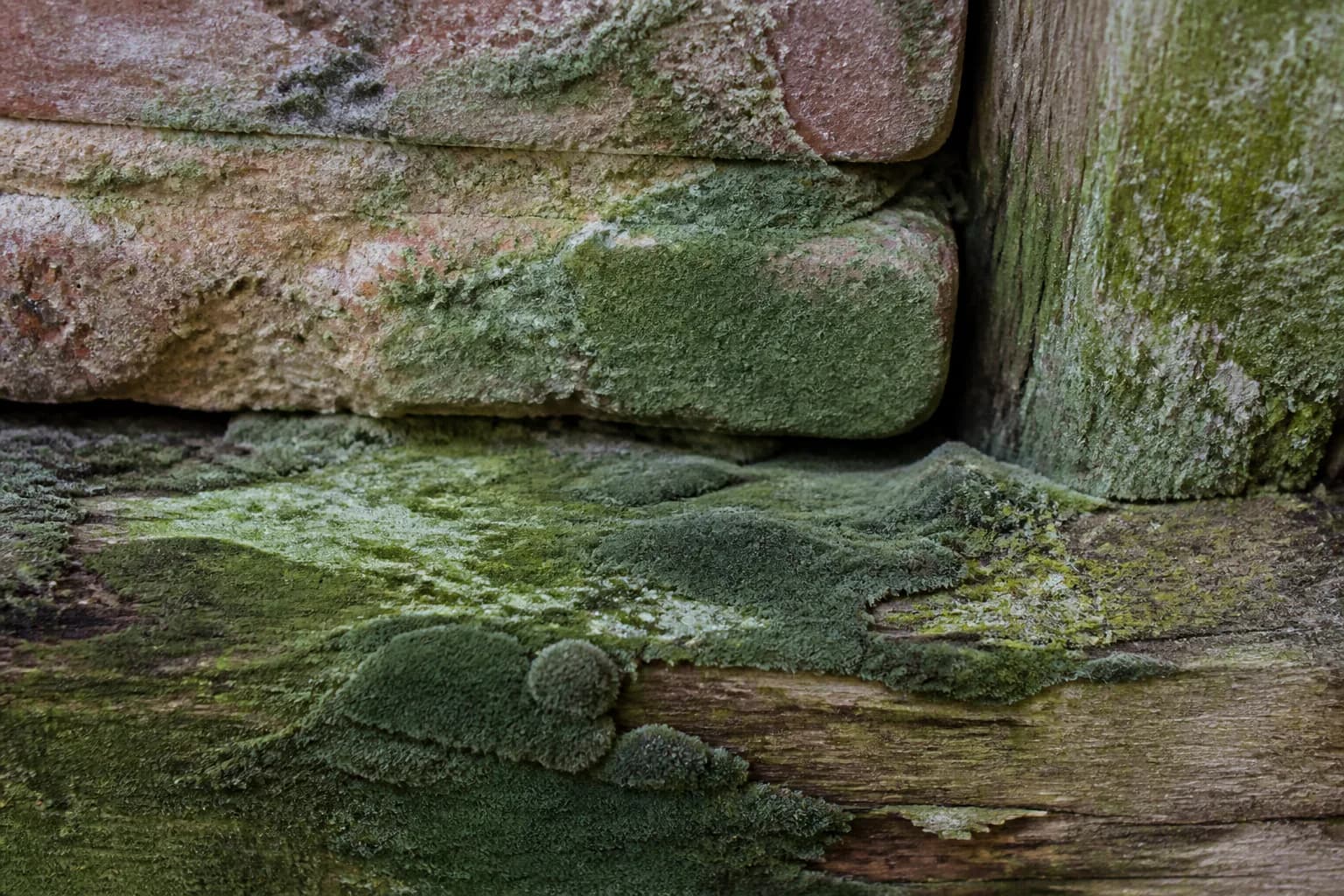
Green Mold
- Where it forms
- Frequently found on decaying food, causing it to rot and ferment. It can also grow on bricks and other building materials that have been exposed to moisture.
- Appearance
- Green mold often serves as a sign food has gone bad and can also be evidence of a far larger moisture problem within a house.
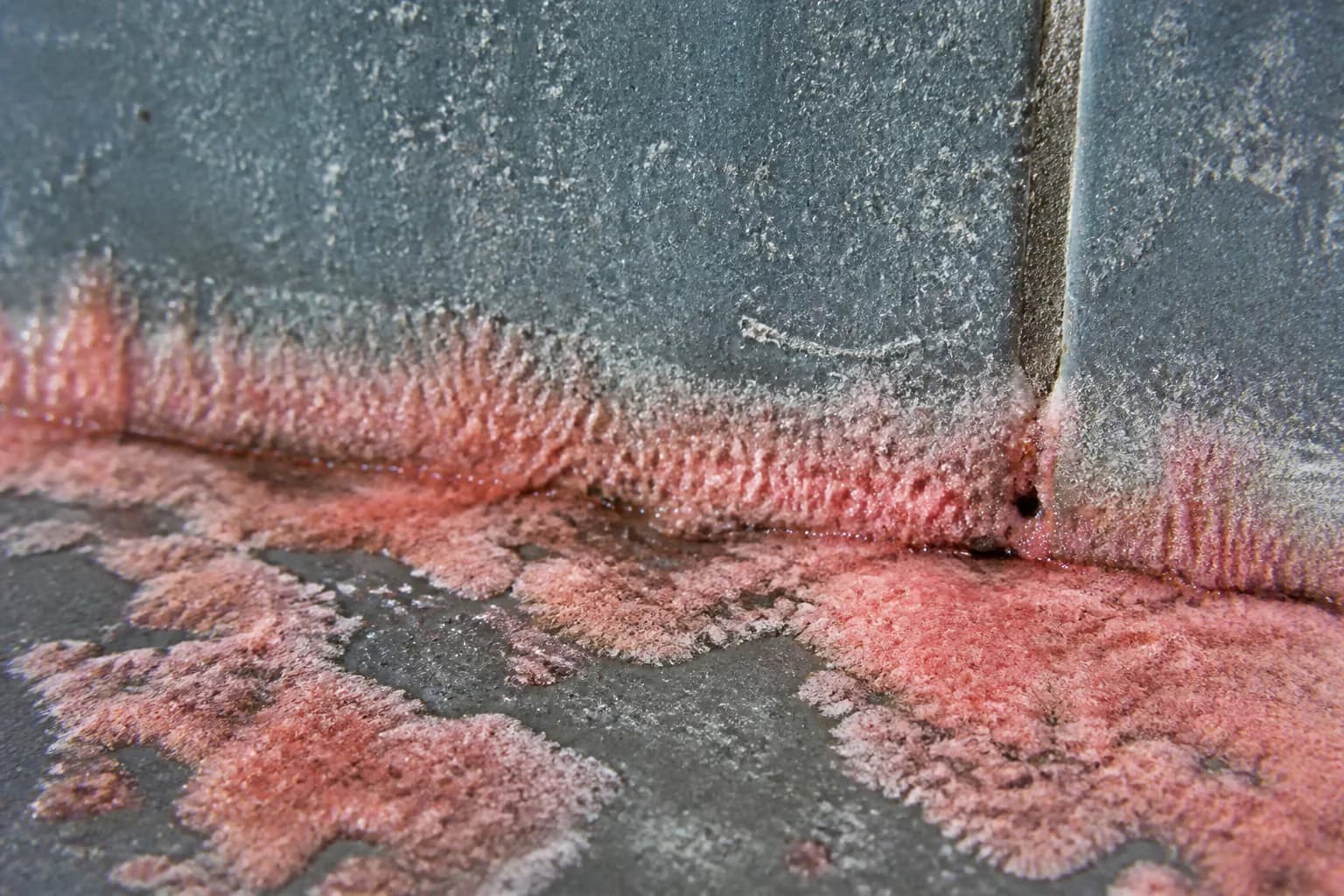
Pink Mold
- Where it forms
- Pink mold is a very common occurrence on rotten food and in damp places. The spores can stay stuck on the floor, walls, and ceiling, especially in humid places.
- Appearance
- It mainly manifests in pinkish or reddish color. It often spreads rapidly across moist places and can also cause serious health problems if its colonization is not checked on time.
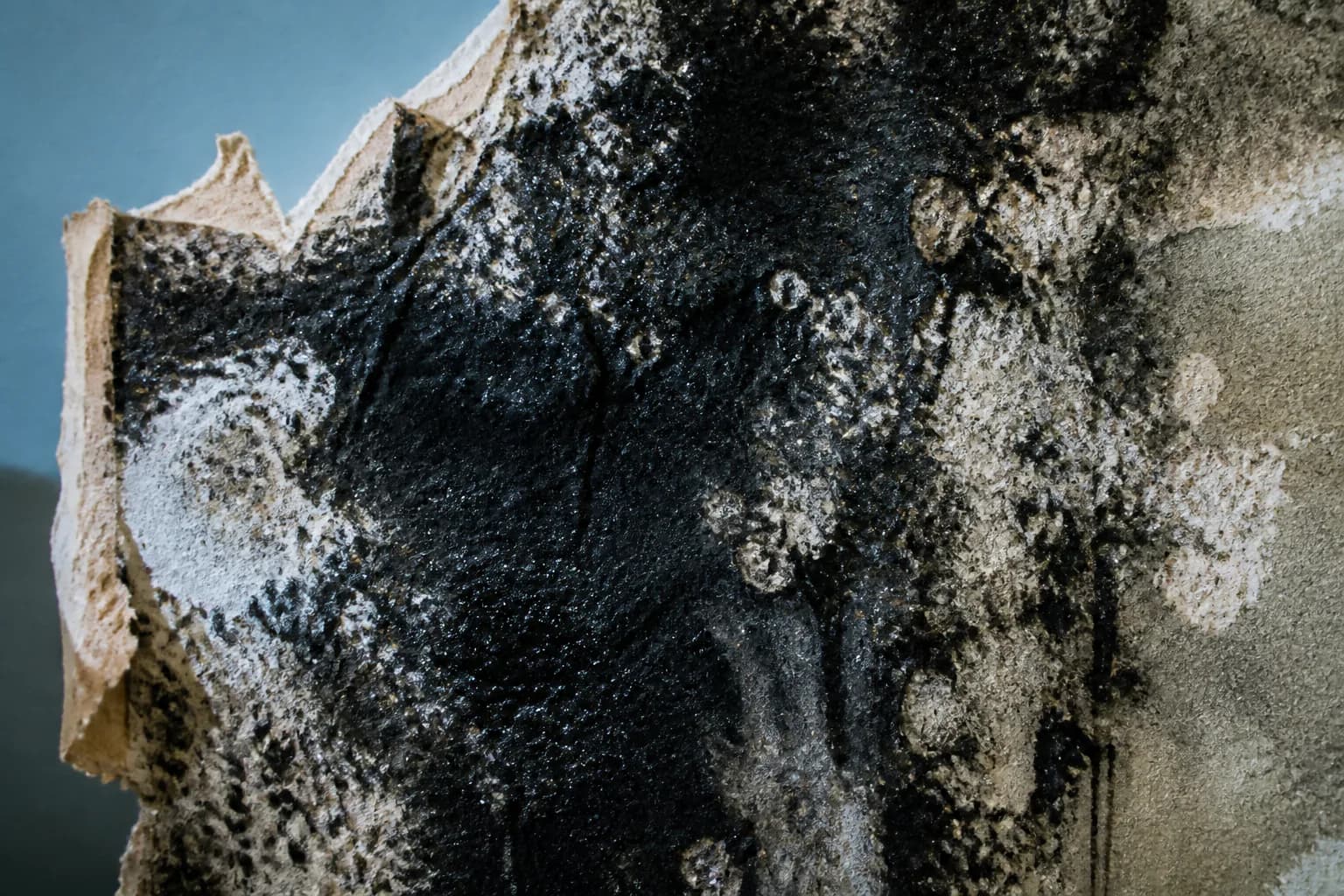
Black Mold
- Where it forms
- Black mold, also referred to as Stachybotrys chartarum, has become known worldwide as a very dangerous mold species. It grows on moist, poorly ventilated areas, and it has the ability to stick onto various surfaces, including building materials.
- Appearance
- It has an appearance of dark black or greenish-black patches. It’s highly known to form mycotoxins, which are very dangerous for a person’s health, more so respiratory problems, especially in those people with weak immune systems.
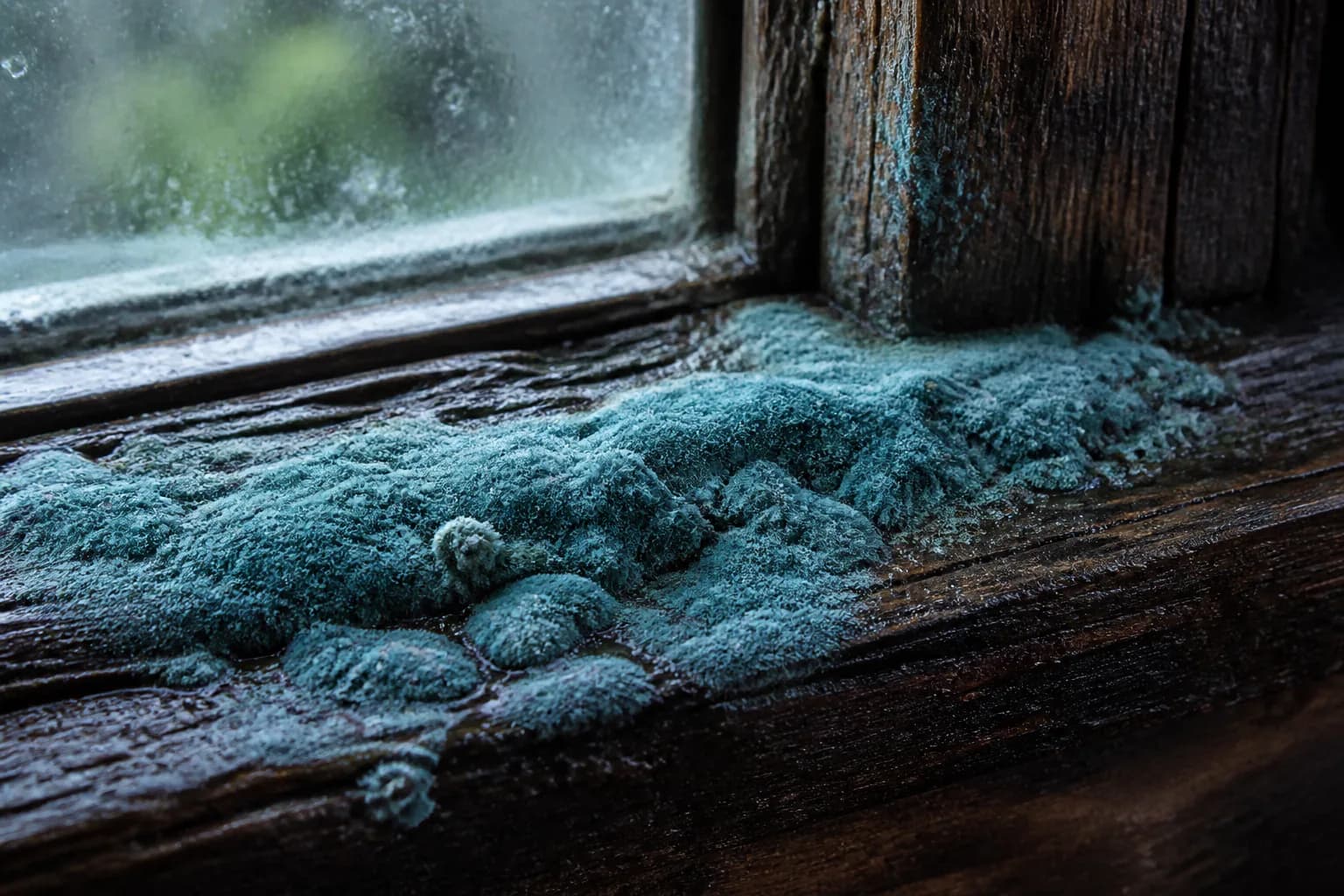
Blue Mold
- Where it forms
- Blue mold is a wood destructive fungus to the wood, which often triggers wood rotting. This type of mold is generally found in moistened areas on wooden floors, window frames, and furniture.
- Appearance
- The color varies from blue to greenish-blue, which later evolves into structural damage when not treated. There is an absolute need to resolve the moisture issues to prevent it from further propagation.
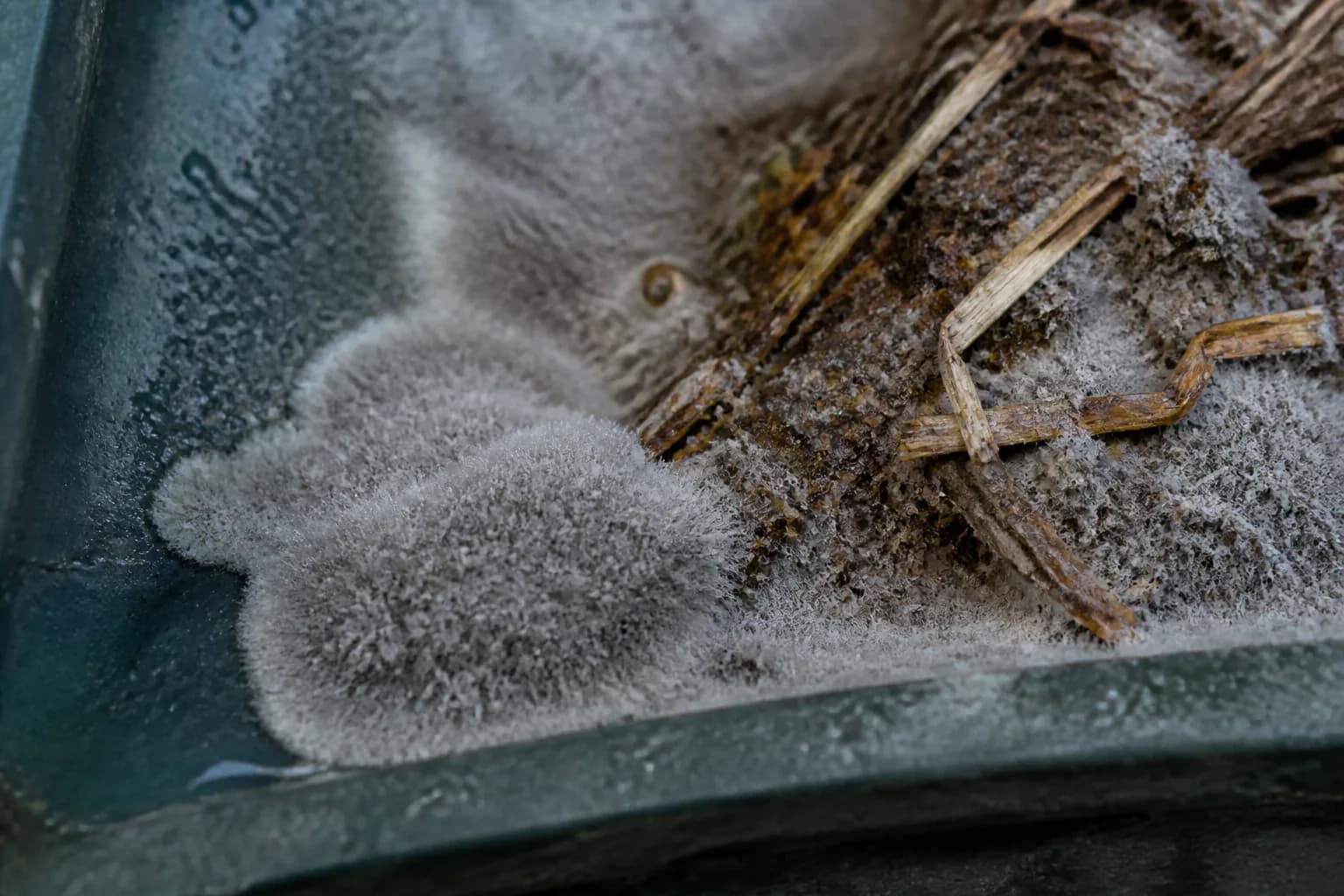
Gray Mold
- Where it forms
- Gray mold appears on food, plants, and seeds, especially in places where it is humid or the air does not move freely.
- Appearance
- Gray, fuzzy mold. A spoiled look on food, and rot on plants. It invades and goes further provided good conditions still prevail.
Common mold types / 02
An A–Z field directory.
Use this registry to understand common names and typical environments. A visual match alone cannot confirm a mold type.
Reference profile / 01
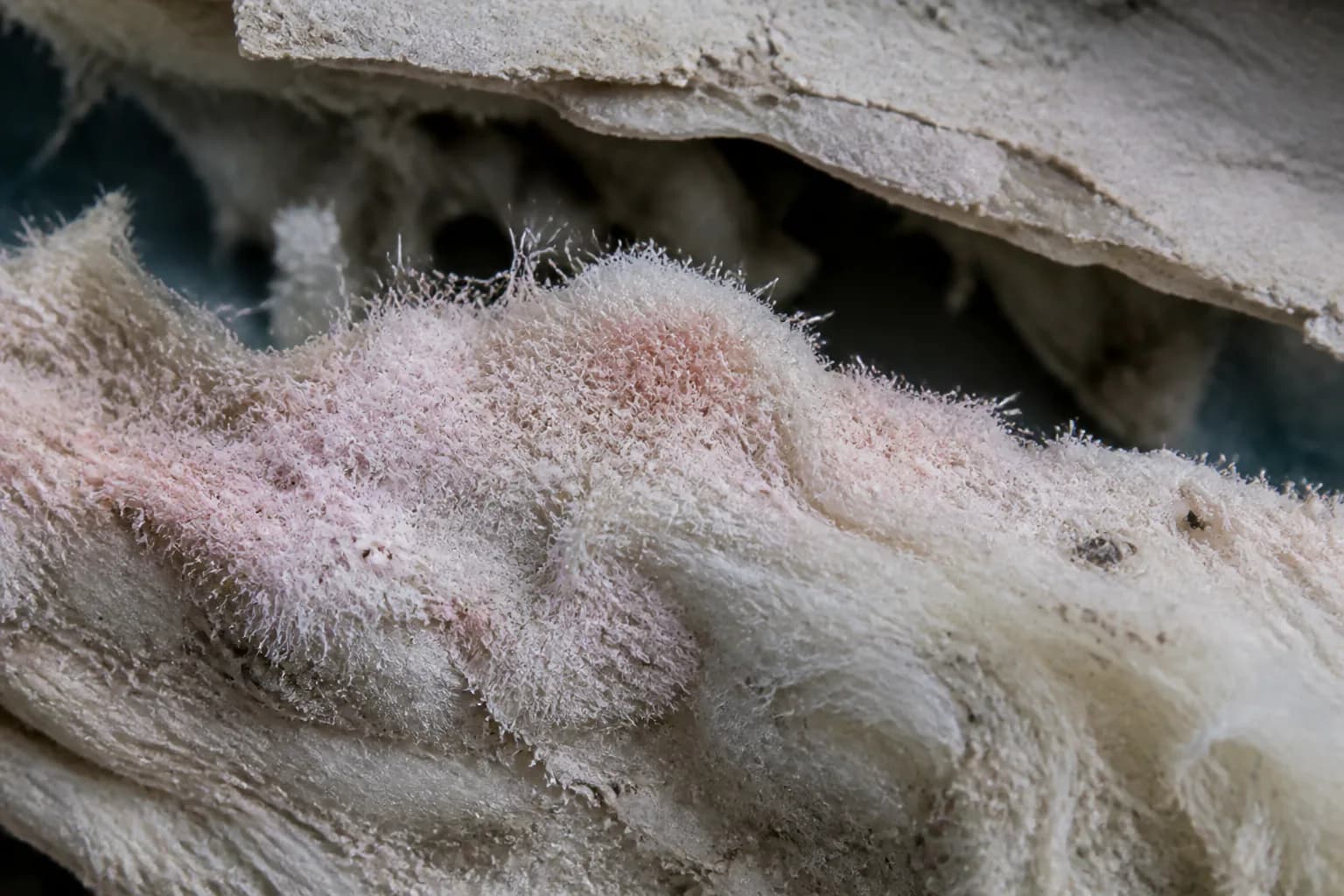
Acremonium
This is most commonly found in water-damaged building material and on drywall and insulation. The mold appears white, gray or pink.
Reference profile / 02
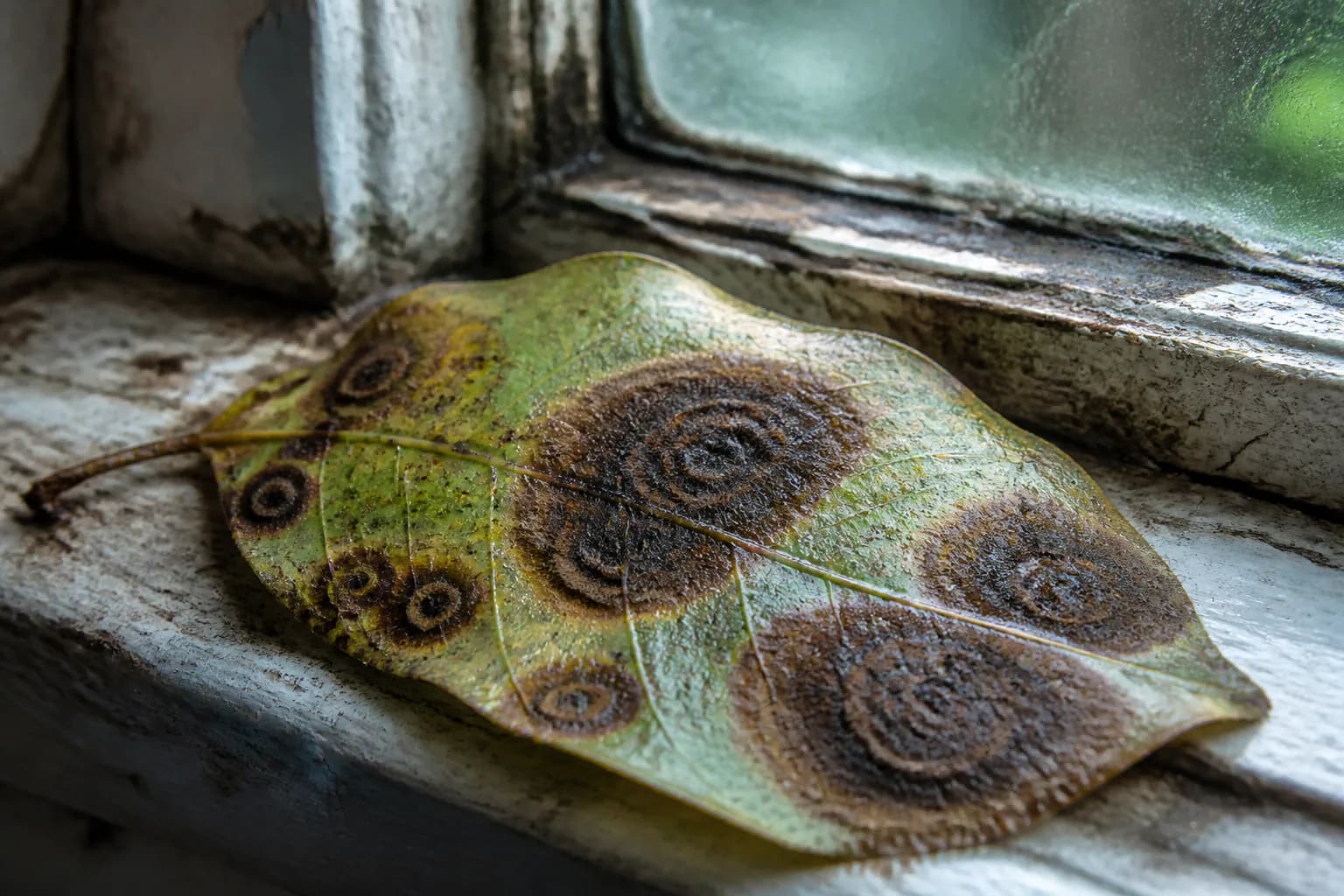
Alternaria
This mold is common both indoors and outdoors and is most normally seen on plant materials. It mainly comes about as dark green or black patches.
Reference profile / 03
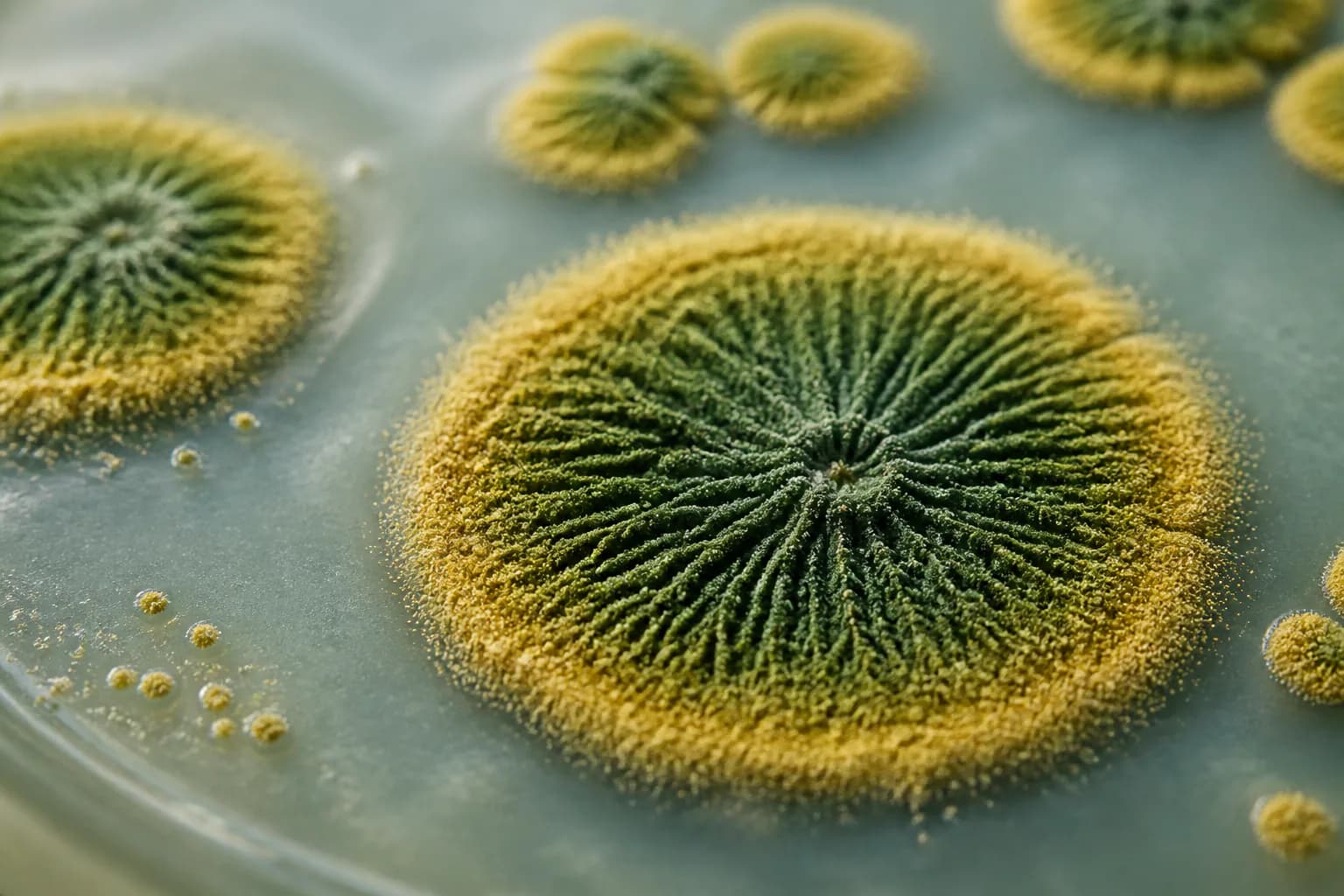
Aspergillus
A diverse genus containing species of the order Aspergillus niger (black mold) and Aspergillus flavus. It can be isolated in soil, decaying vegetation, and in an indoor environment. A number of species are mycotoxigenic.
Reference profile / 04
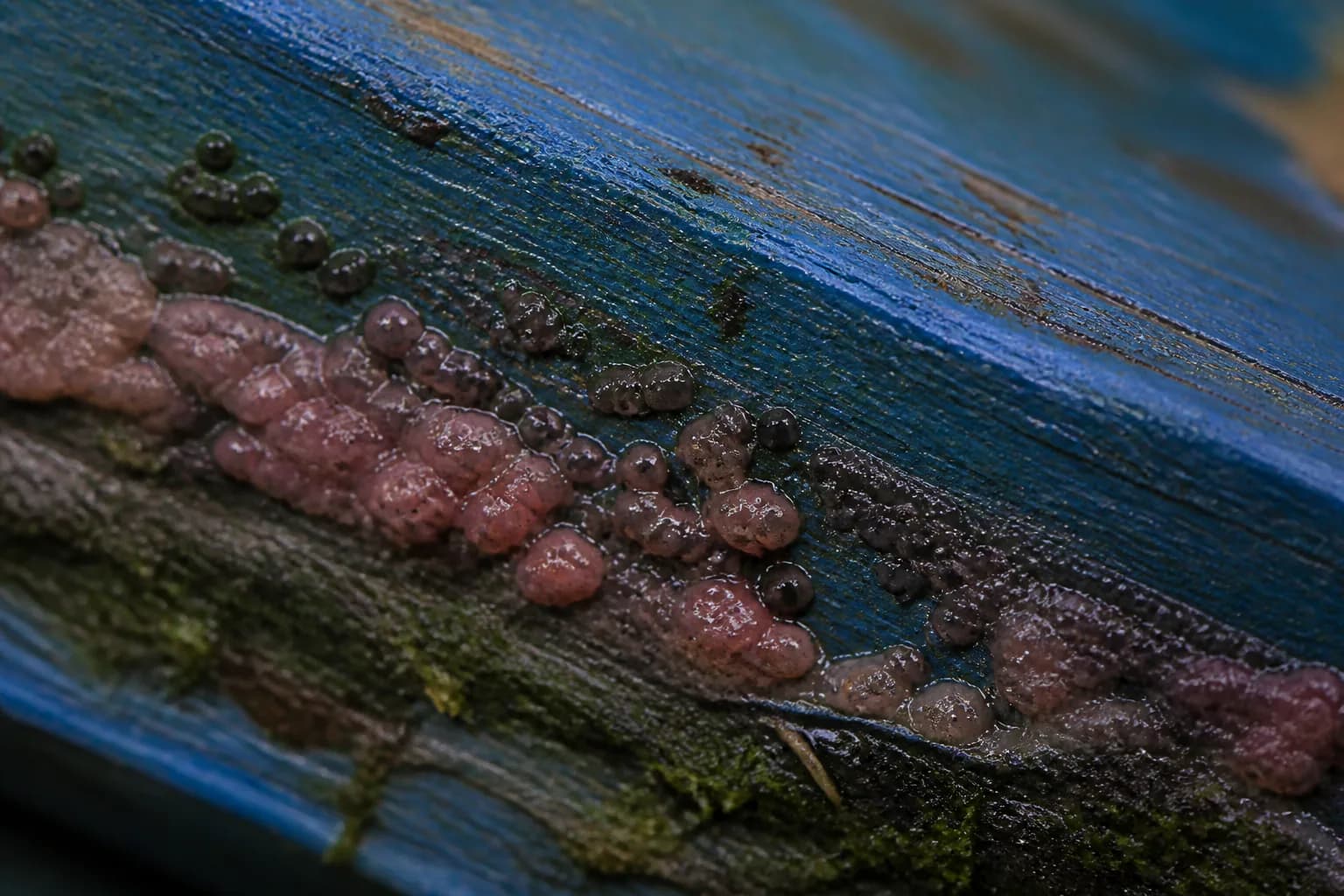
Aureobasidium
occurs on surfaces, for example, wood and paint, usually as pink or black colonies.
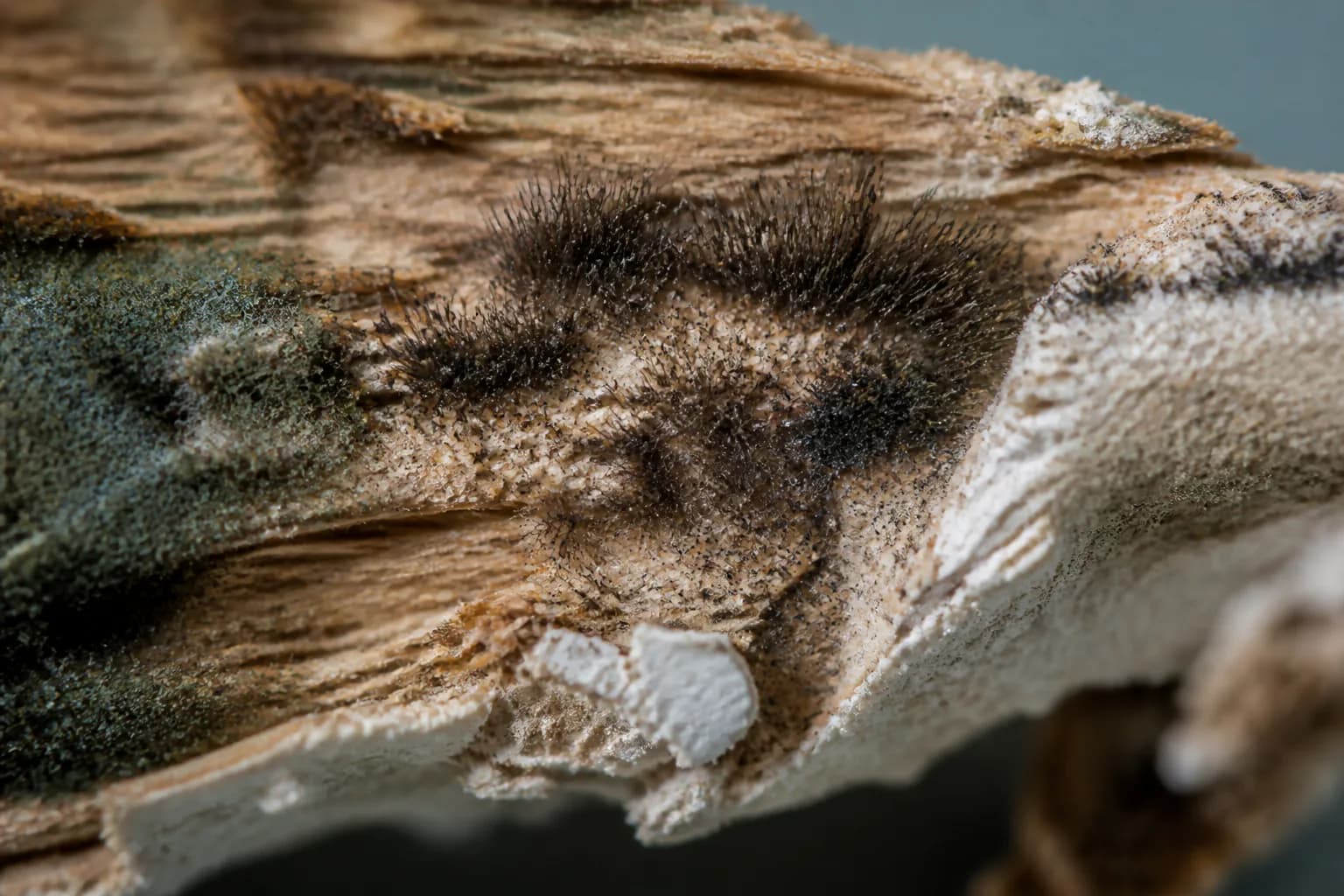
Reference profile / 05
Bipolaris
This is a plant pathogen, but it also can occur on water-damaged material in an indoor environment.
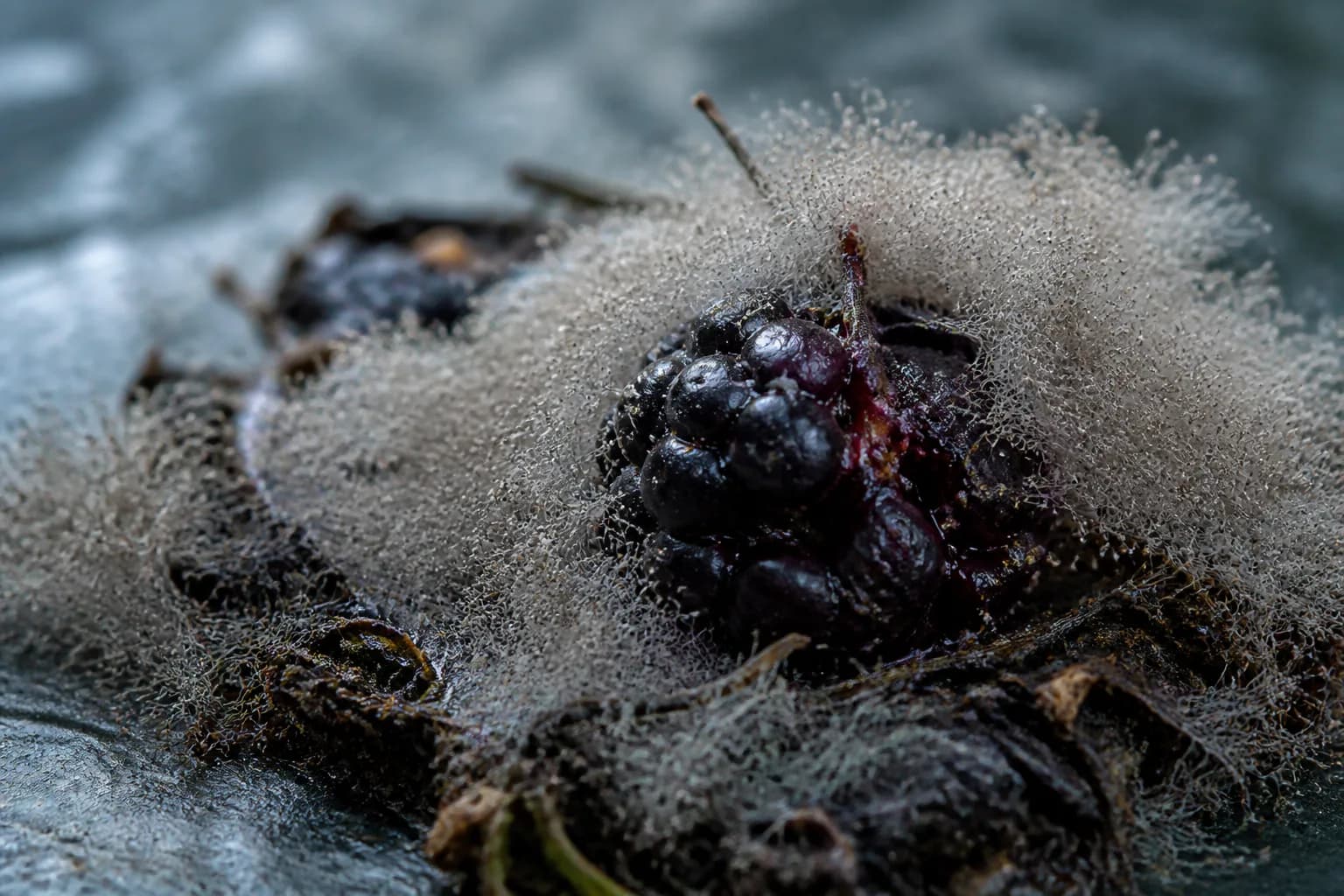
Reference profile / 06
Botrytis
It is also referred to as “gray mold.” It commonly infects plants and fruits. It may also exist on decaying organic matter in indoor environments.
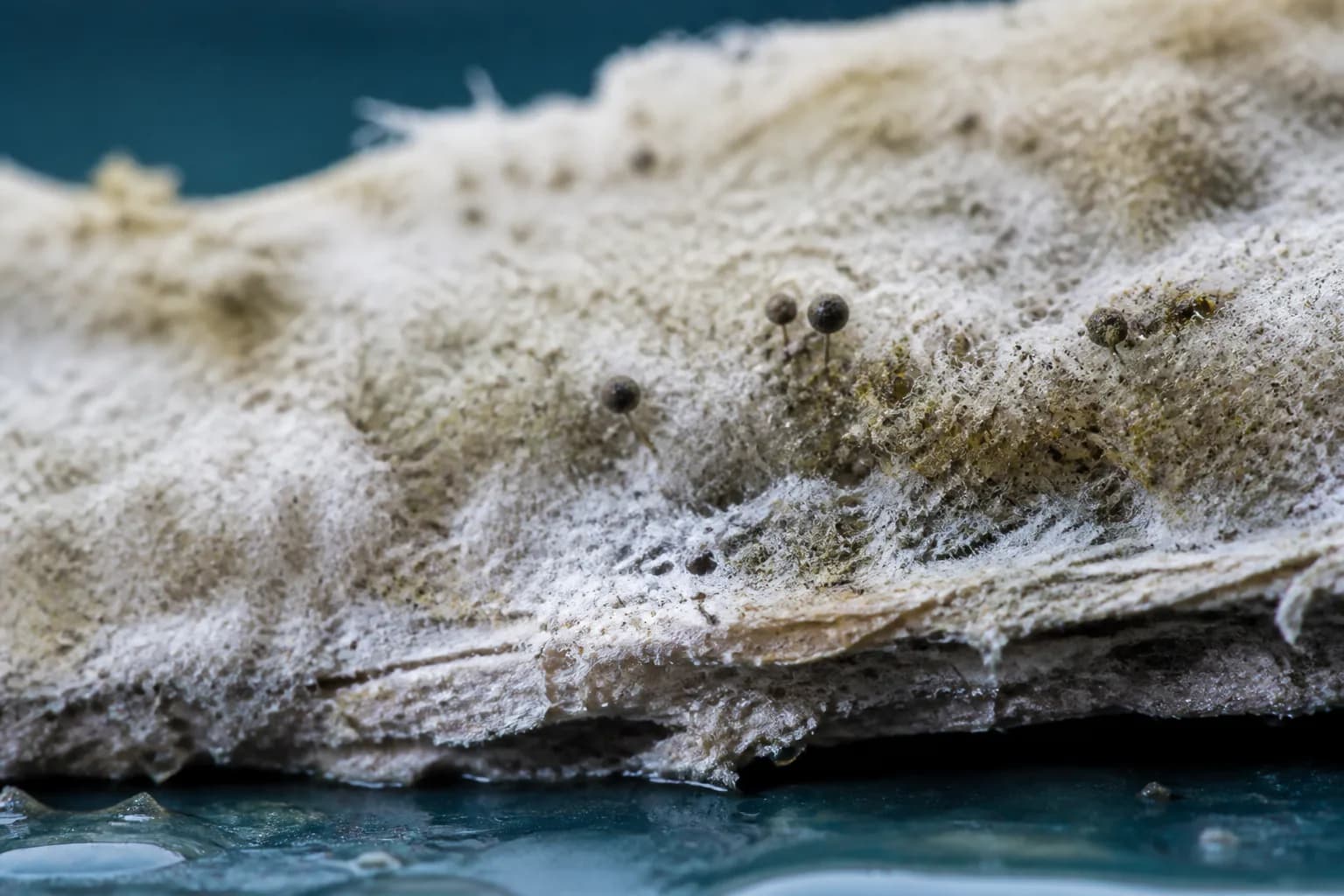
Reference profile / 07
Chaetomium
This fungus is most commonly found in the water-damaged building, appearing as white, yellow, or brownish cottony colonies.
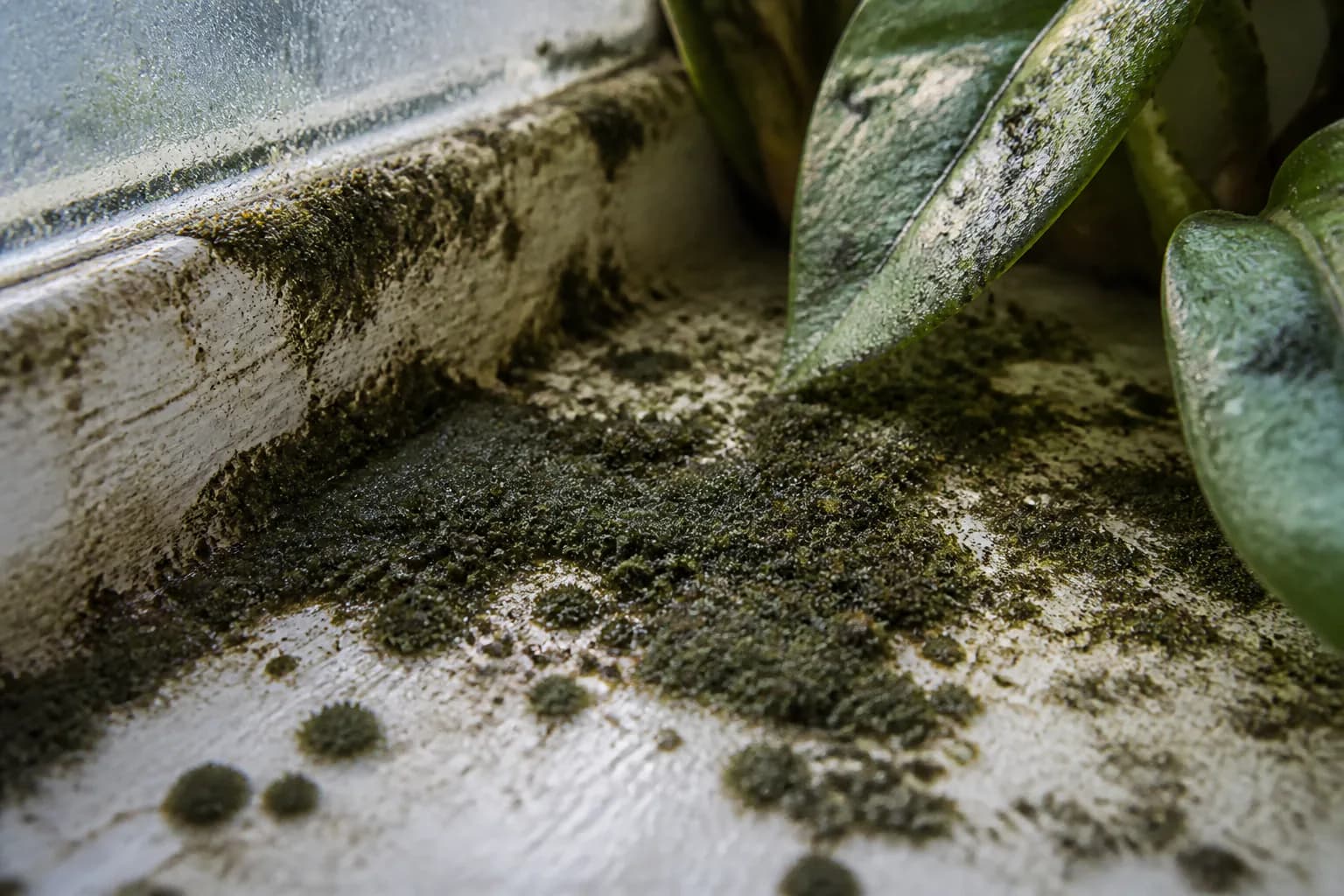
Reference profile / 08
Cladosporium
This is one of the most common kinds of molds; it grows as green, brown, or black spots. It usually grows on plants, in the soil and on surfaces indoors.
Reference profile / 09
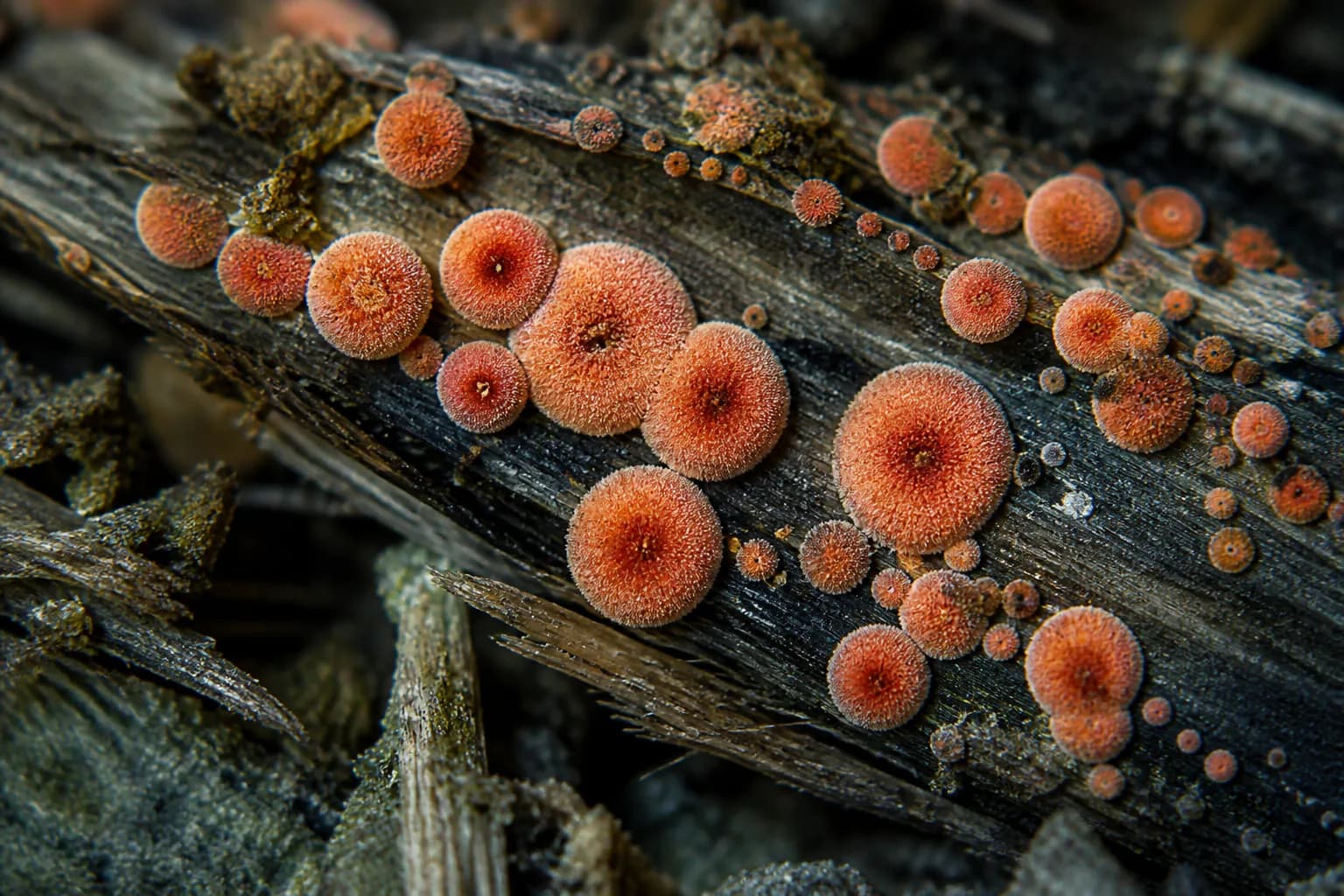
Epicoccum
This one grows on decaying organic matter and fruits, producing orange or pinkish color colonies.
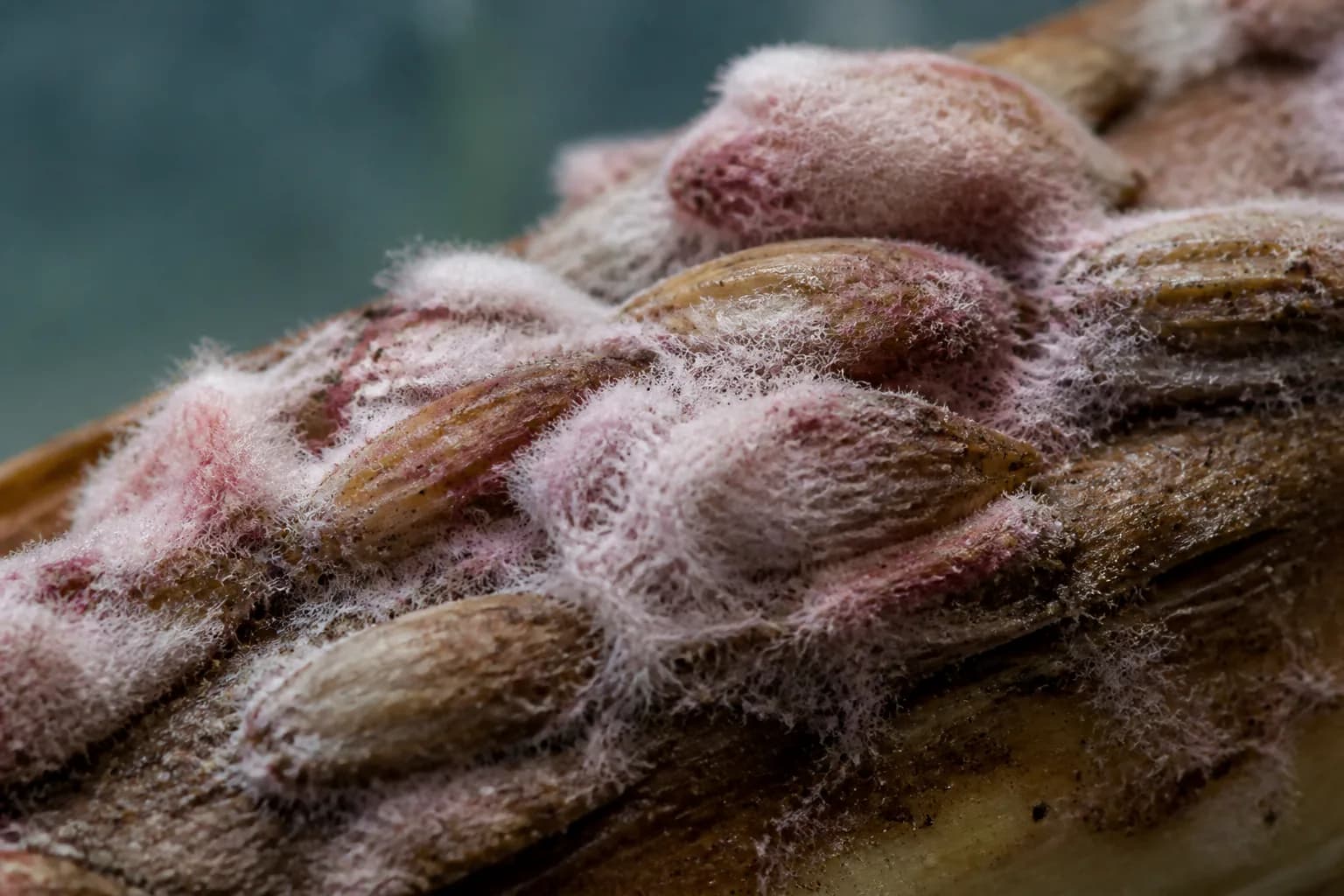
Reference profile / 10
Fusarium
Showing unmistakable pink or reddish colored colonies Fusarium is generally found in the soil and on plants. It can also be in grain product.
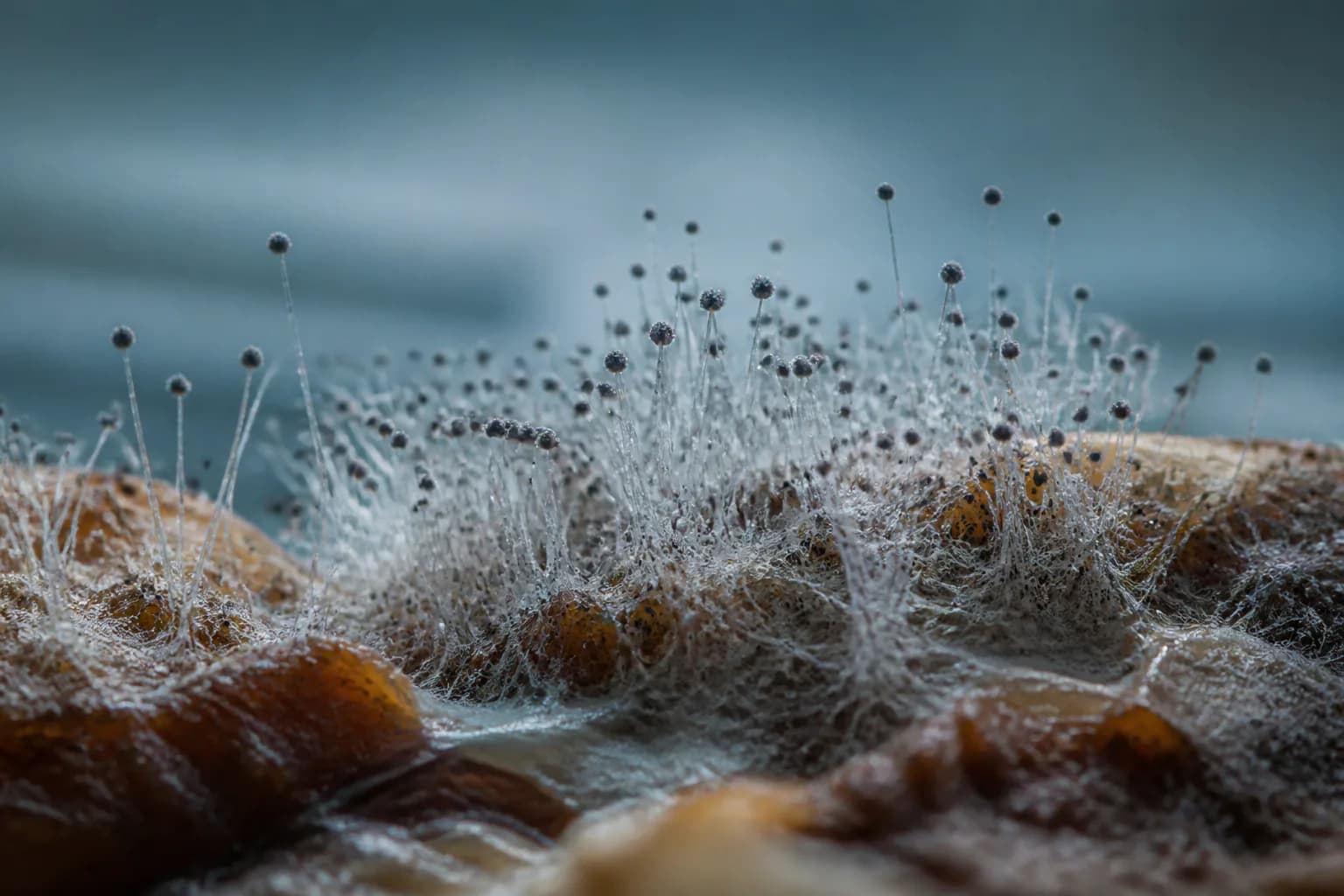
Reference profile / 11
Mucor
This genus generally grows on soil and decaying organic matter; the colonies appear as white or grayish-colored molds that grow quite rapidly at high humidity.
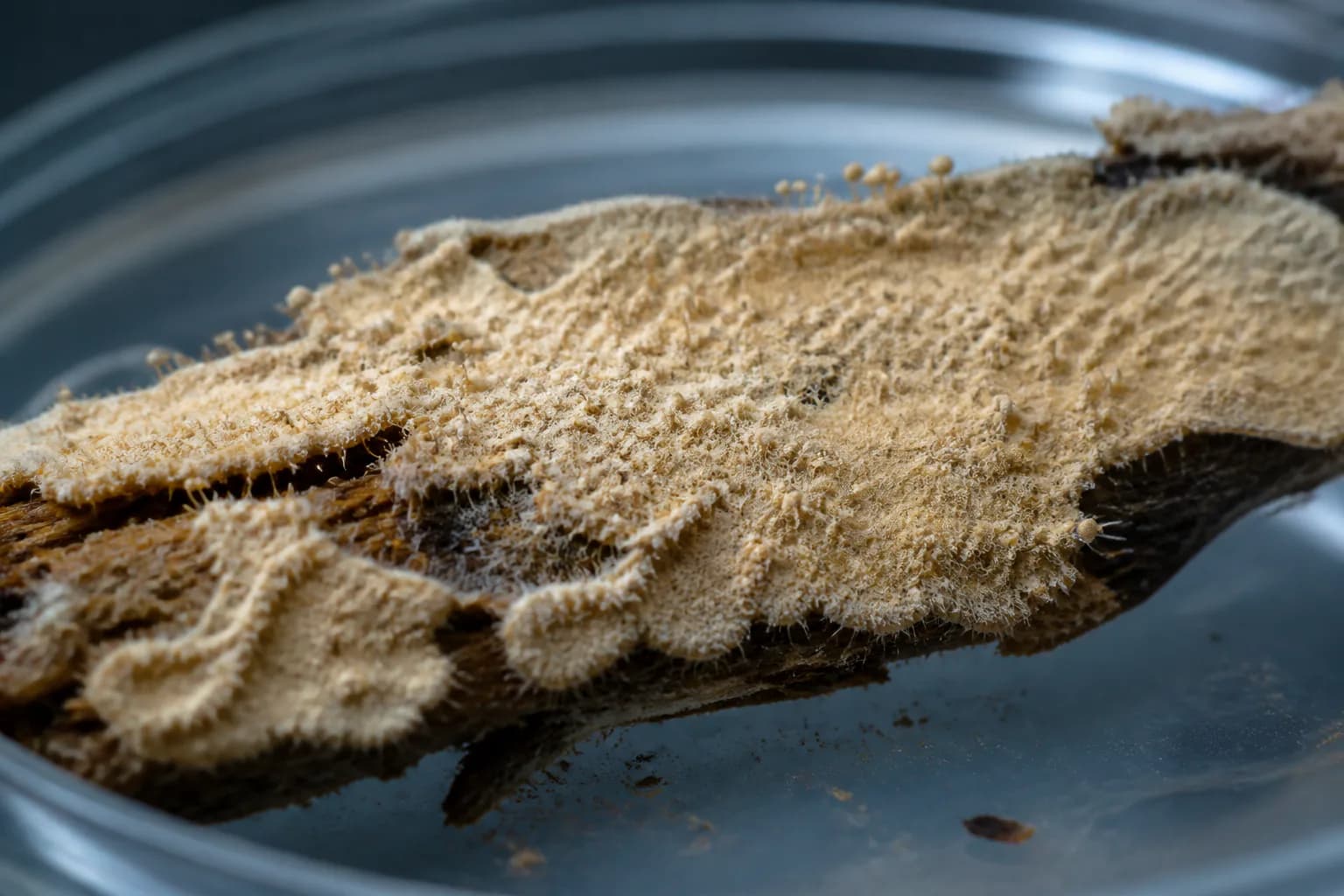
Reference profile / 12
Neosartorya
Isolated from soil and decaying plant material. The genus includes Neosartorya fischeri. They are very close to Aspergillus.
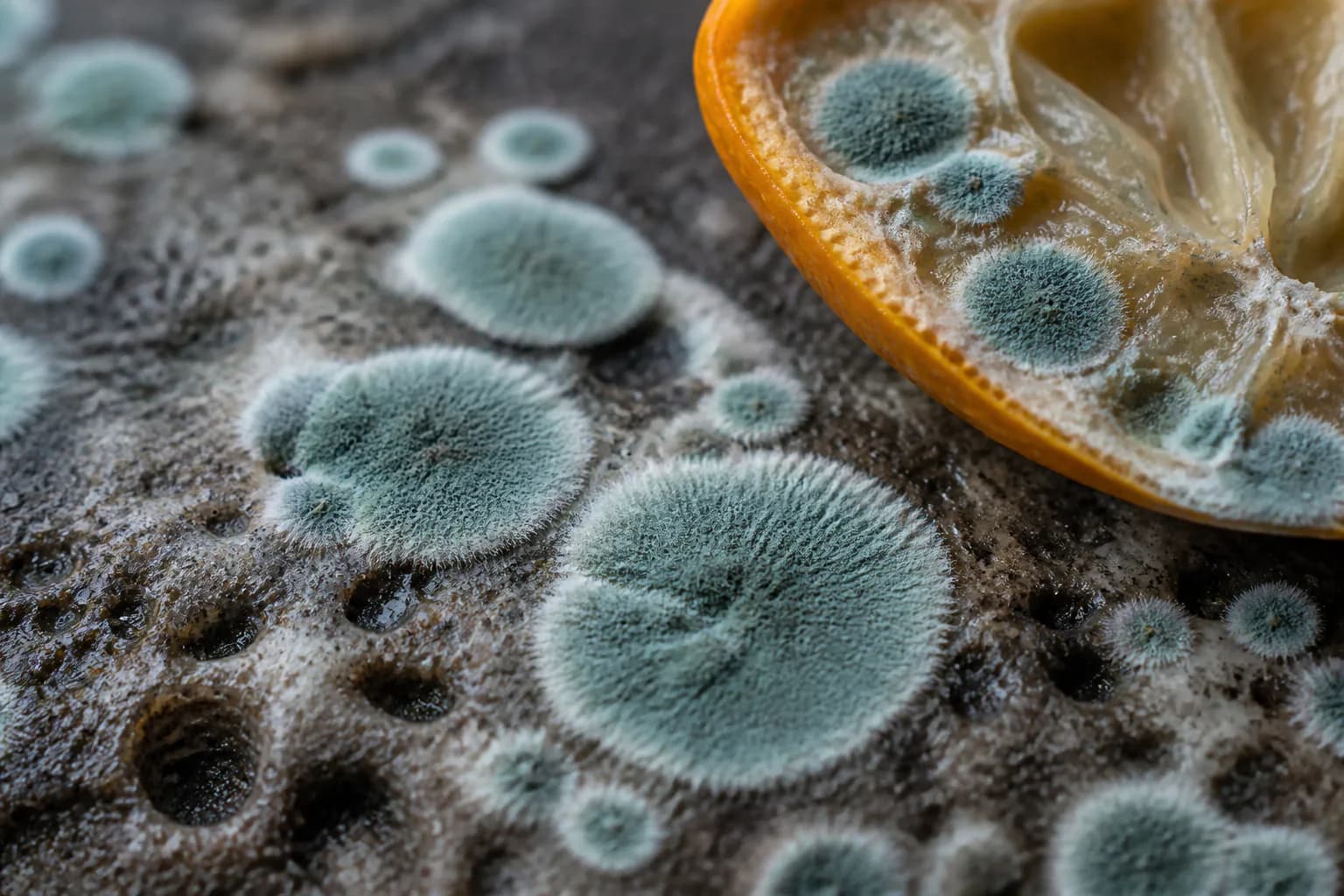
Reference profile / 13
Penicillium
Isolated from soil and decaying plant material. The genus includes Neosartorya fischeri. They are very close to Aspergillus.
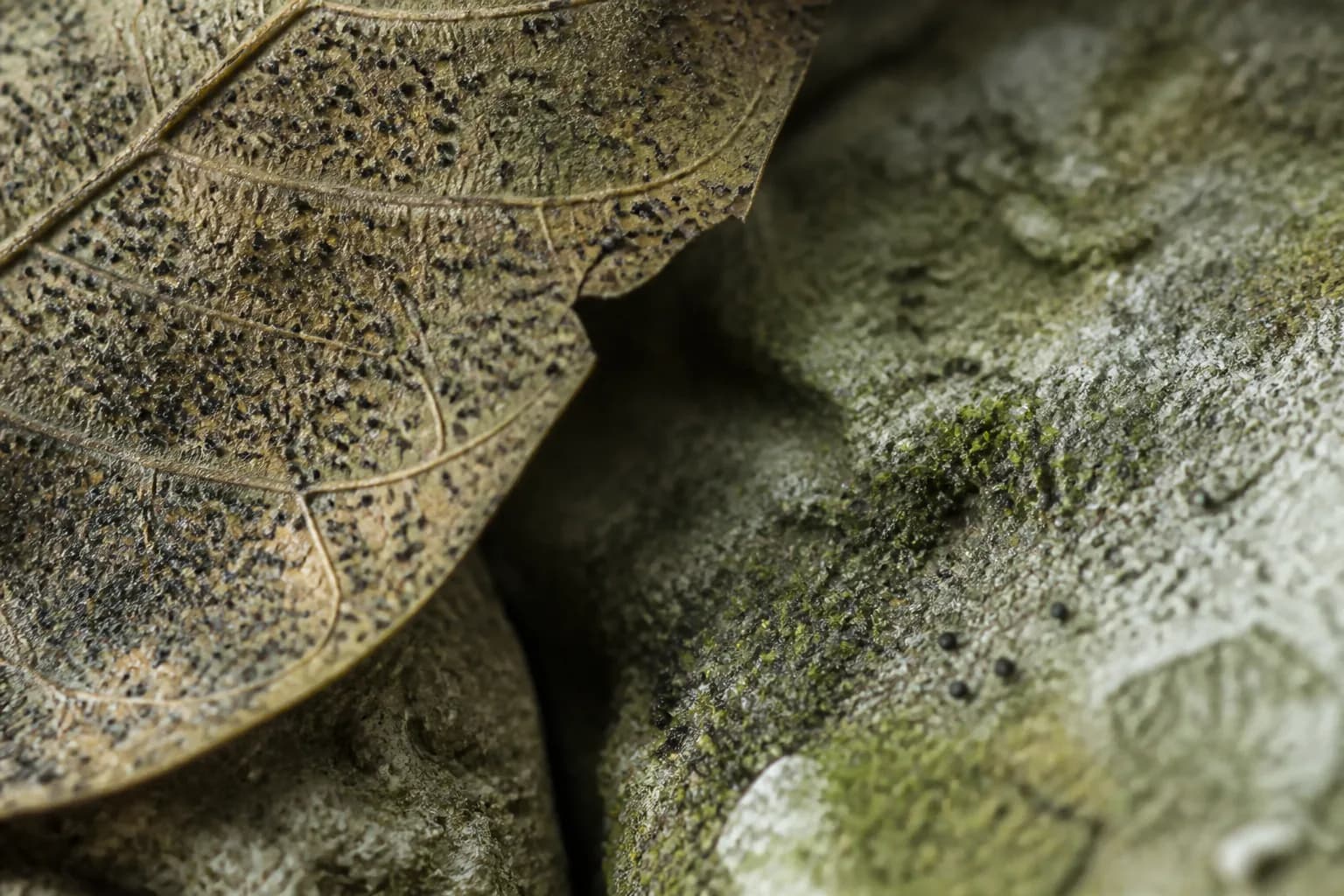
Reference profile / 14
Phoma
Has dark spores, is located in soil and plants. Frequently damages cultivated agricultural crops.
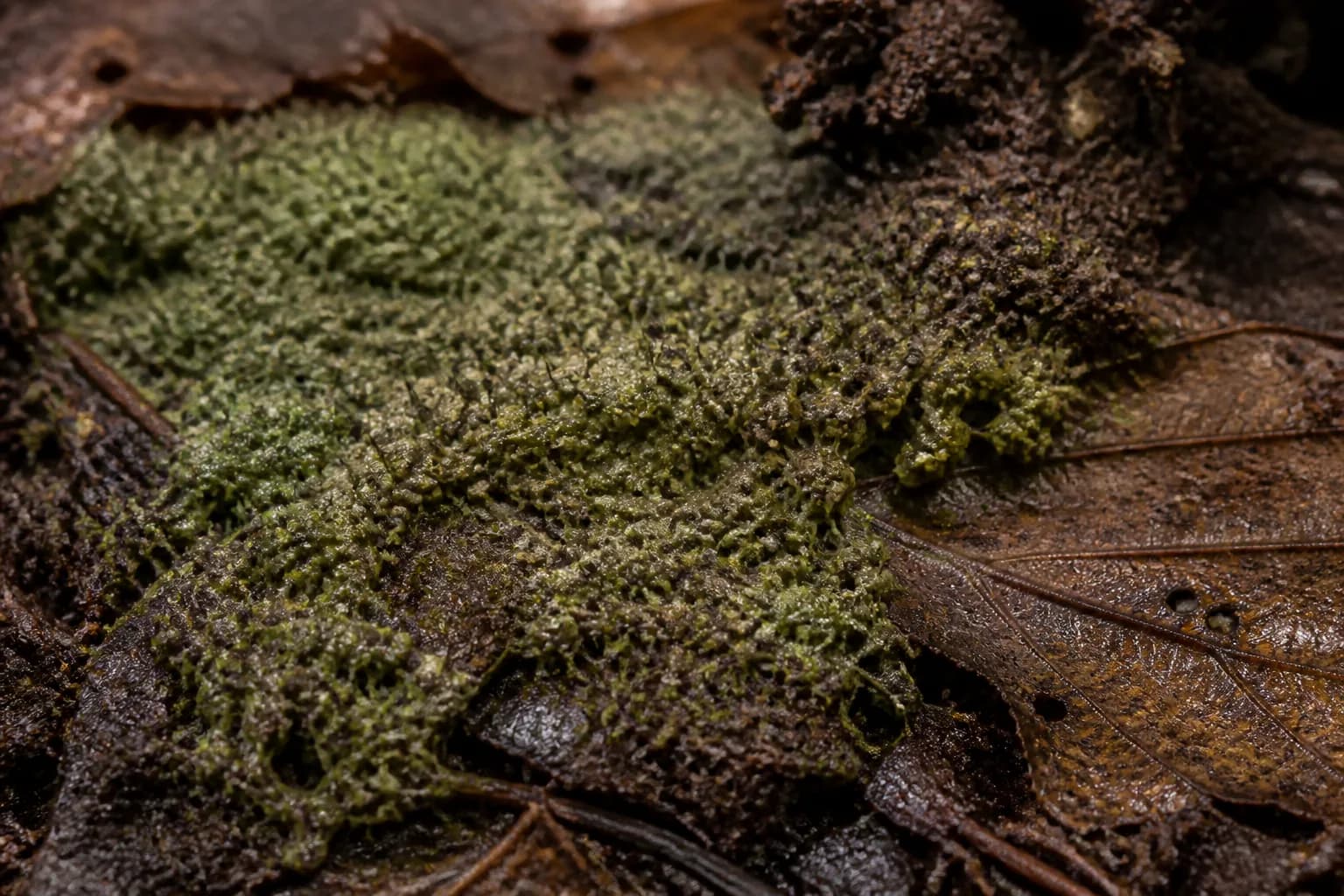
Reference profile / 15
Pithomyces
It generally occurs on plant material and soil. The mould manifests in green or brownish colour colonies.
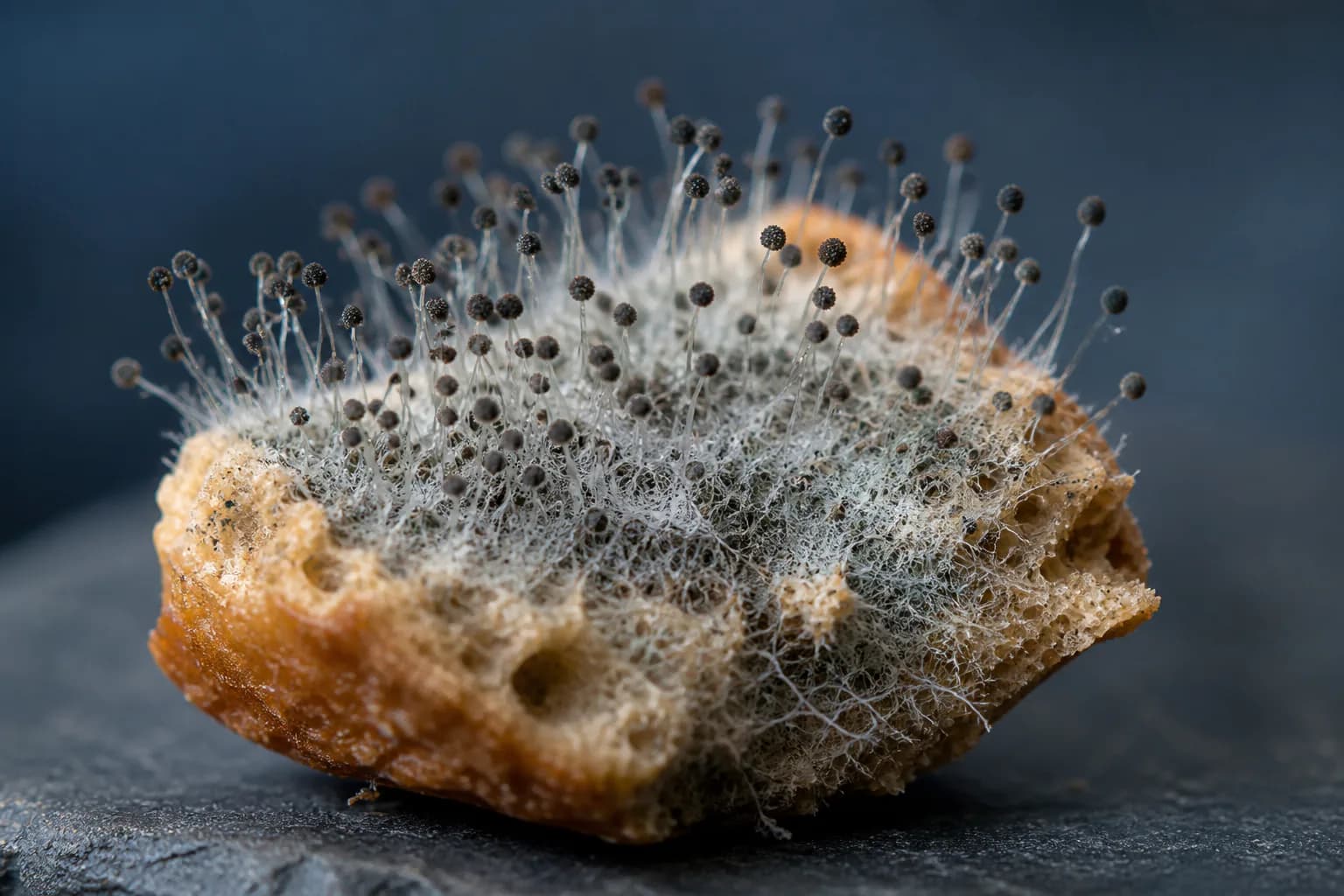
Reference profile / 16
Rhizopus
Bread mould is its common name. The pathogen grows as black or greyish colour colonies on decaying foodstuffs and other organic materials.
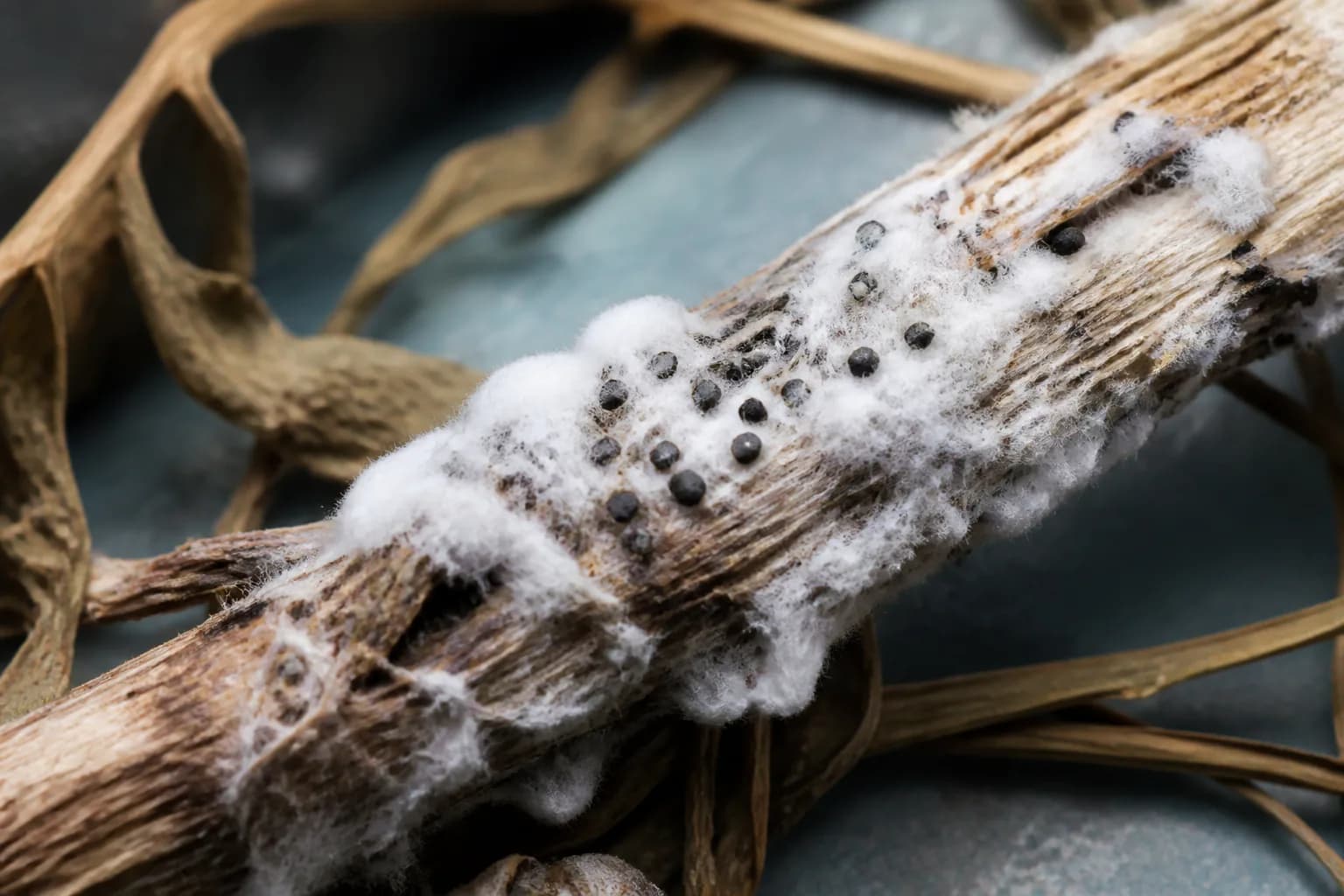
Reference profile / 17
Sclerotinia
Generally, this mould is seen to occur on dead plant material. It has the potential to cause wilting diseases in cultivation. It manifests as white, cottony growths.
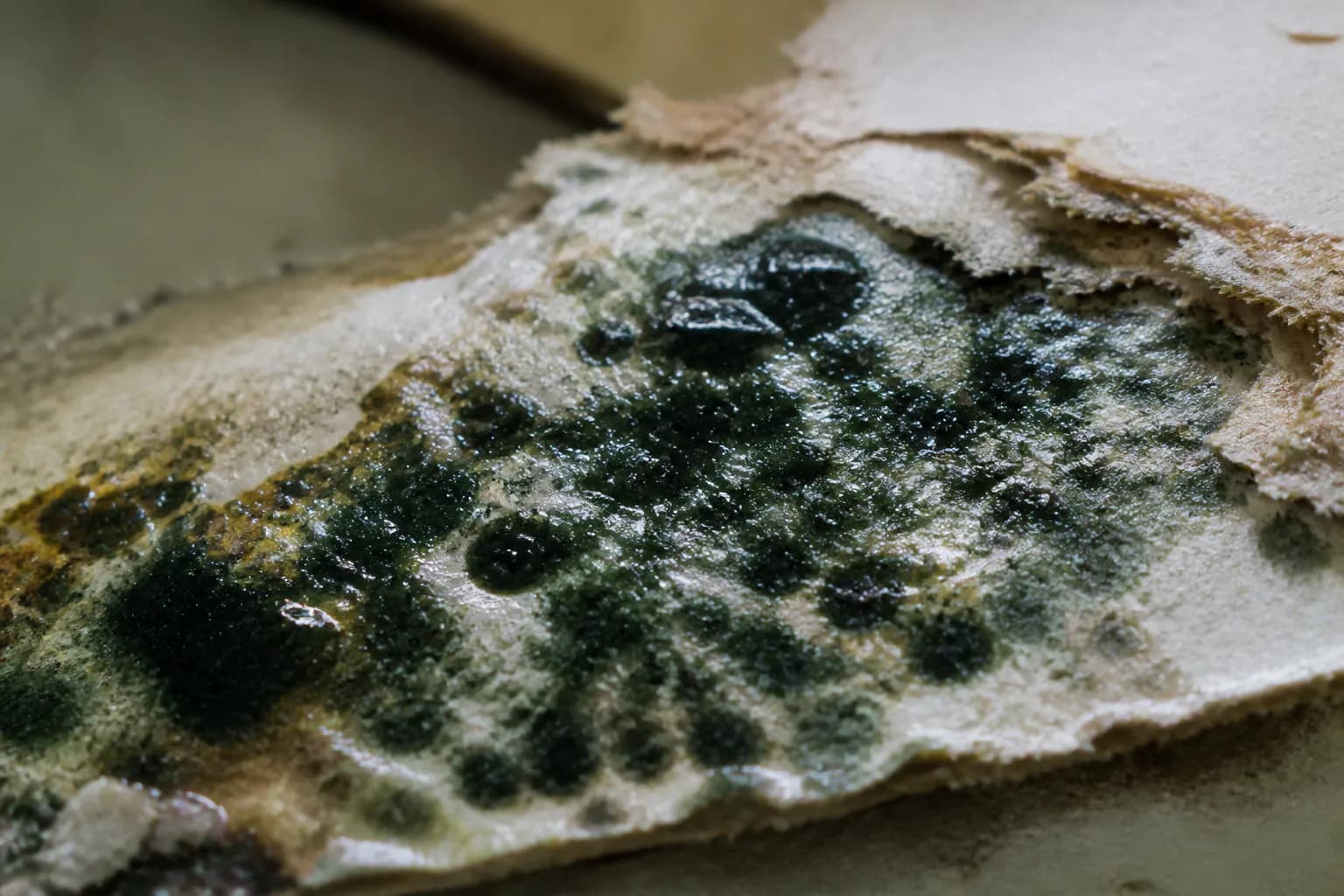
Reference profile / 18
Stachybotrys
Popularly known as “black mold,” it is a dark greenish-black species growing in high-moisture materials, considered to be very dangerous to one’s health.
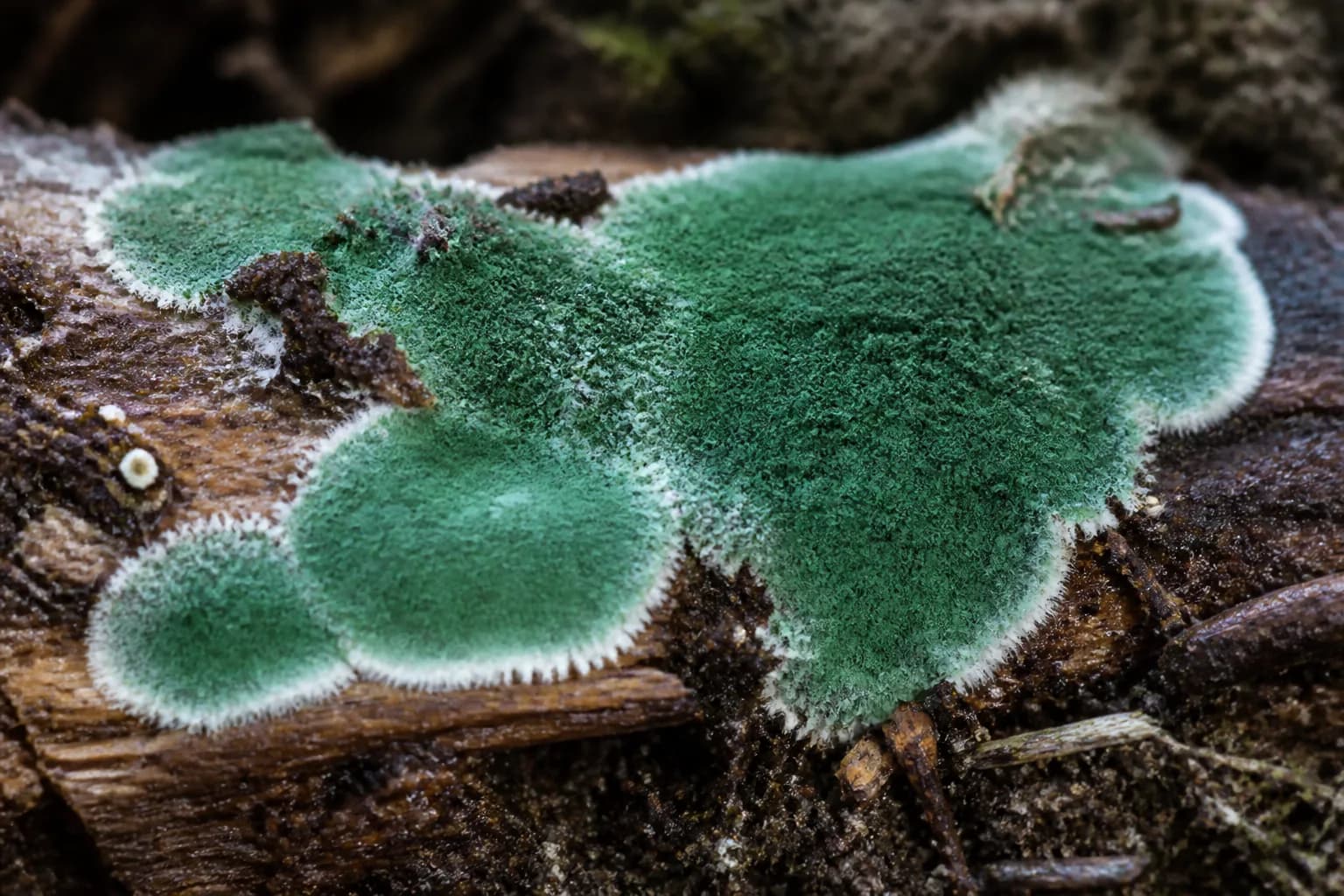
Reference profile / 19
Trichoderma
A green-colored mould common in soil and dead wood, as well as being involved in plant symbiosis, is applied in biocontrol.
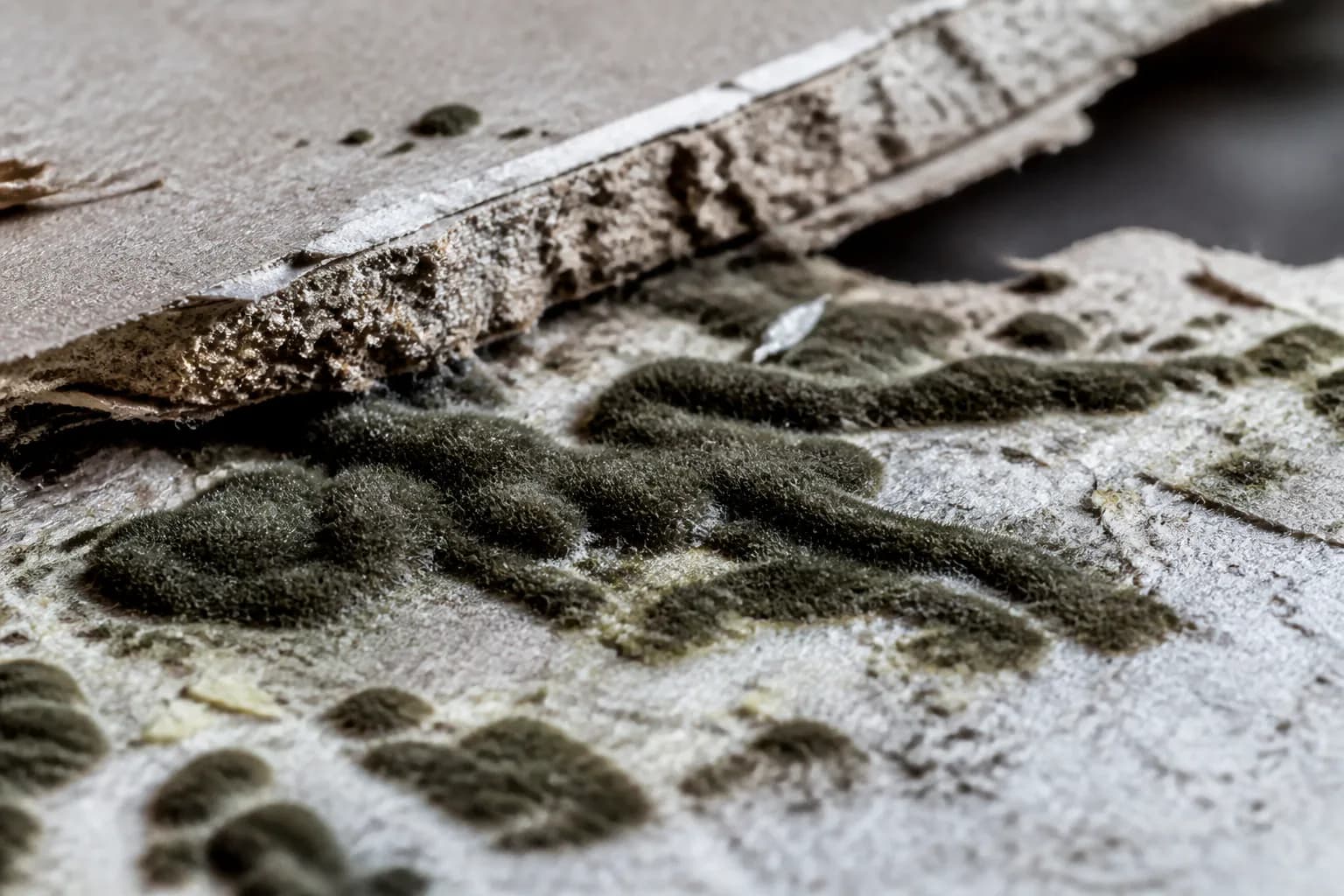
Reference profile / 20
Ulocladium
This species is common on wet, water-damaged materials and in humid environments; in these colonies, it forms dark green or black colors.
Reference profile / 21
Verticillium
A type of soil mold that infects plants; the morphology of white or light-colored colonies has the ability to cause wilting diseases on plants.
Plain-language glossary / 03
The language behind the lab report.
Key terms used to describe mold growth, reproduction, moisture conditions and indoor environmental findings.
Allergen
Any substance capable of inducing an allergic response. Most molds release spores which are potentially capable of causing respiratory distress and are allergens.
Fungal Mycotoxin
Several poisonous metabolic by-products of some fungi, potentially hazardous to health via the respiratory and gastrointestinal systems of human beings and animals.
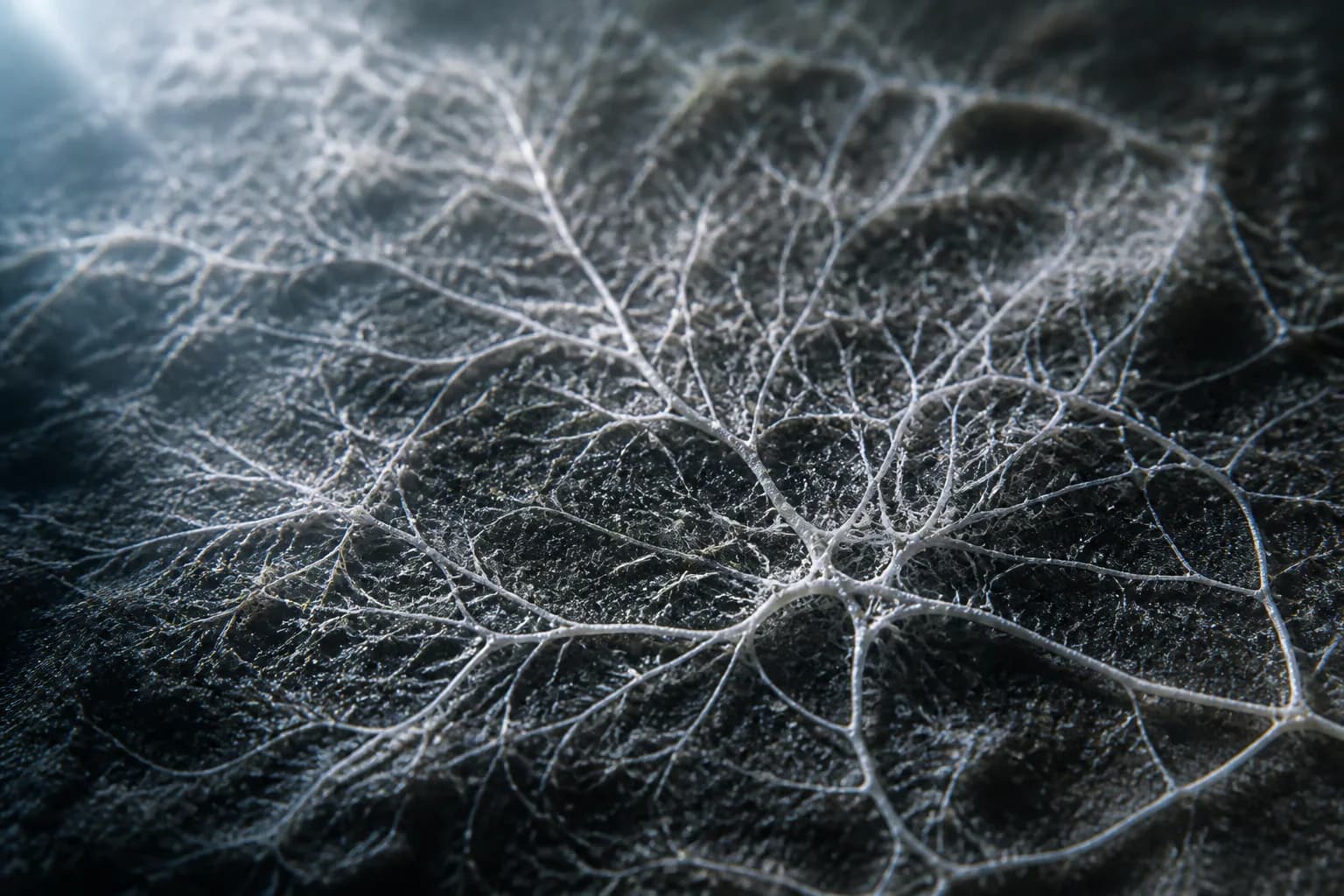
Hyphae
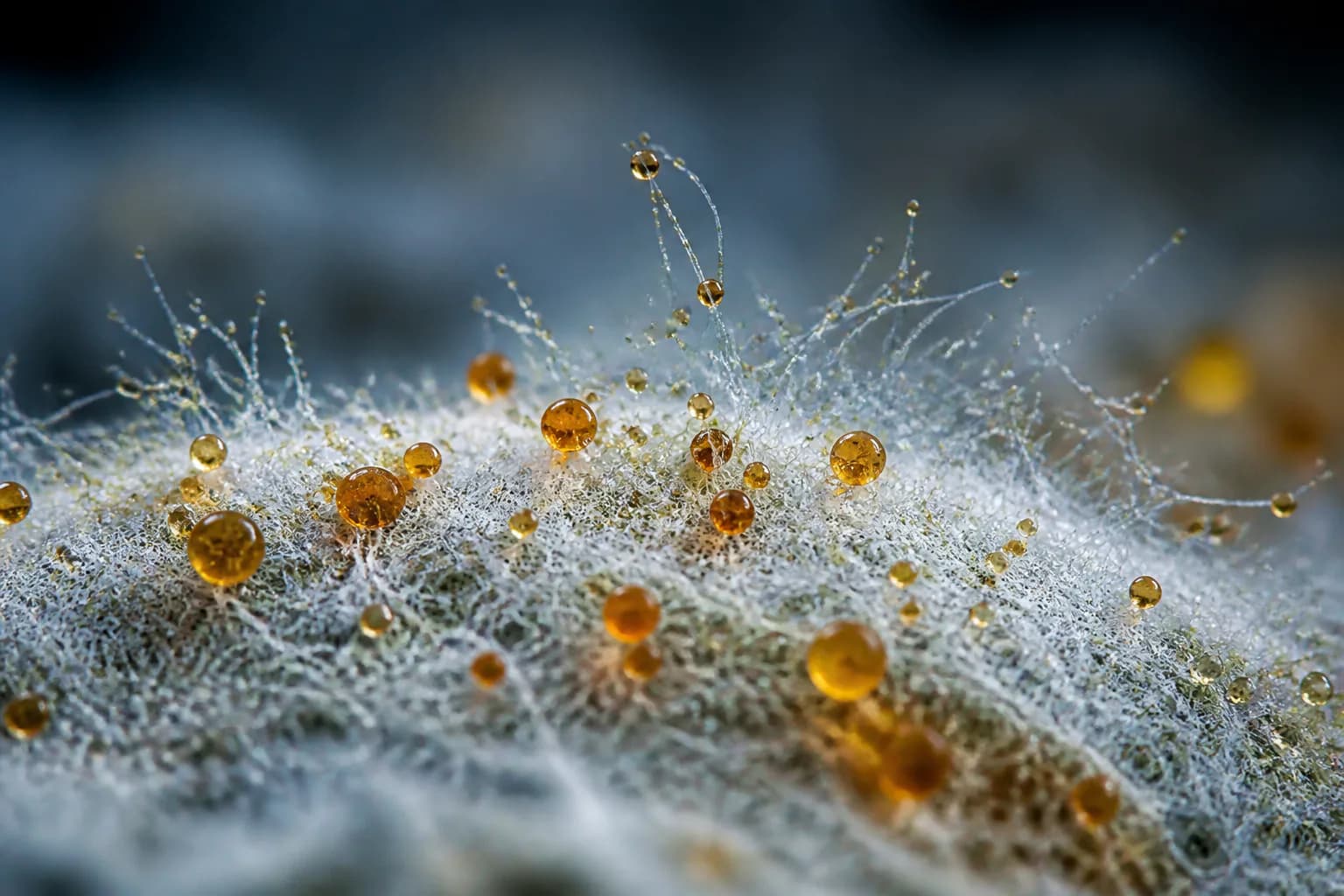
Long, thread-like structure that a mold’s body is comprised of. The hyphae grow and spread away from the source of the mold, allowing for the organism to absorb more nutrition.
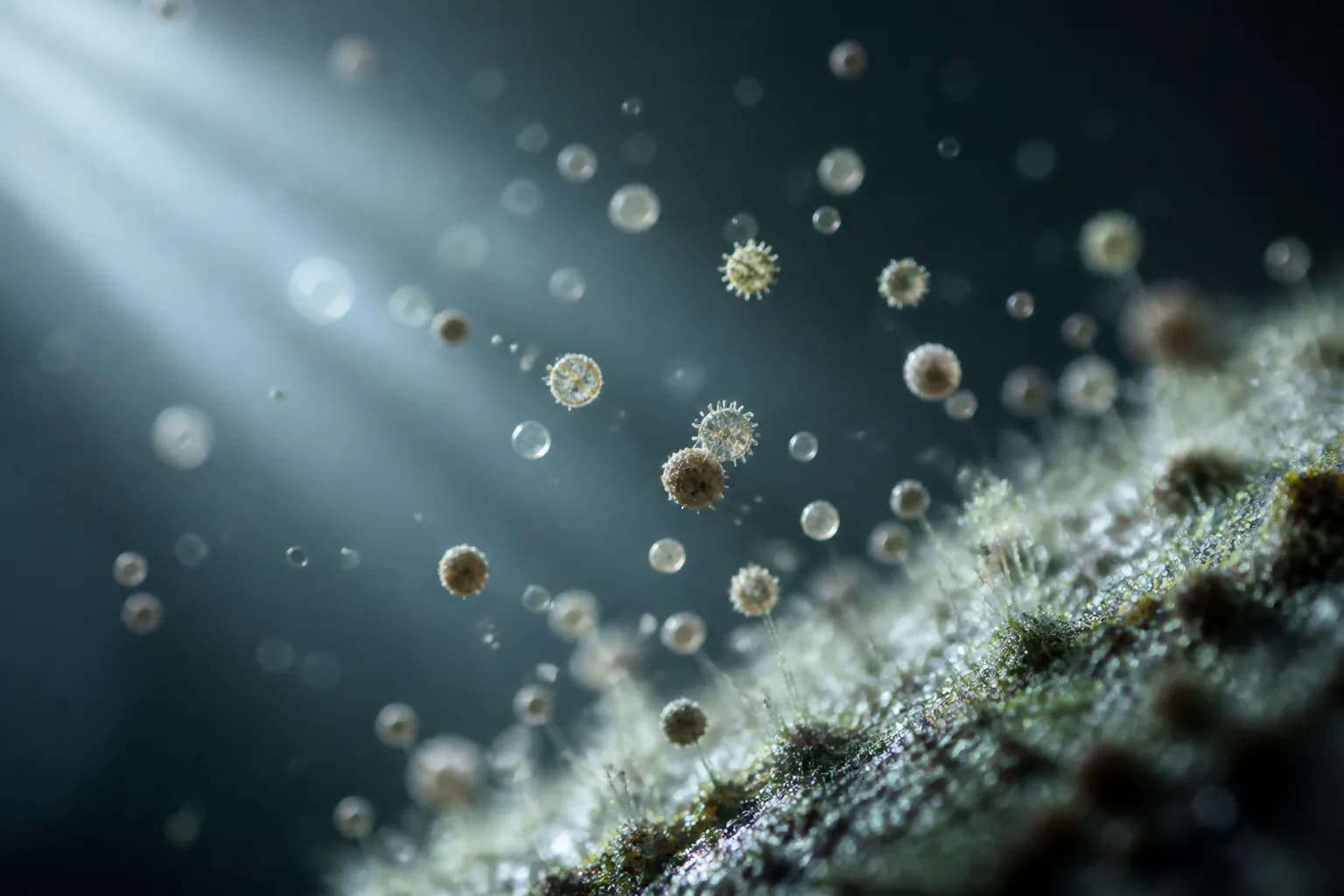
Mold Spores
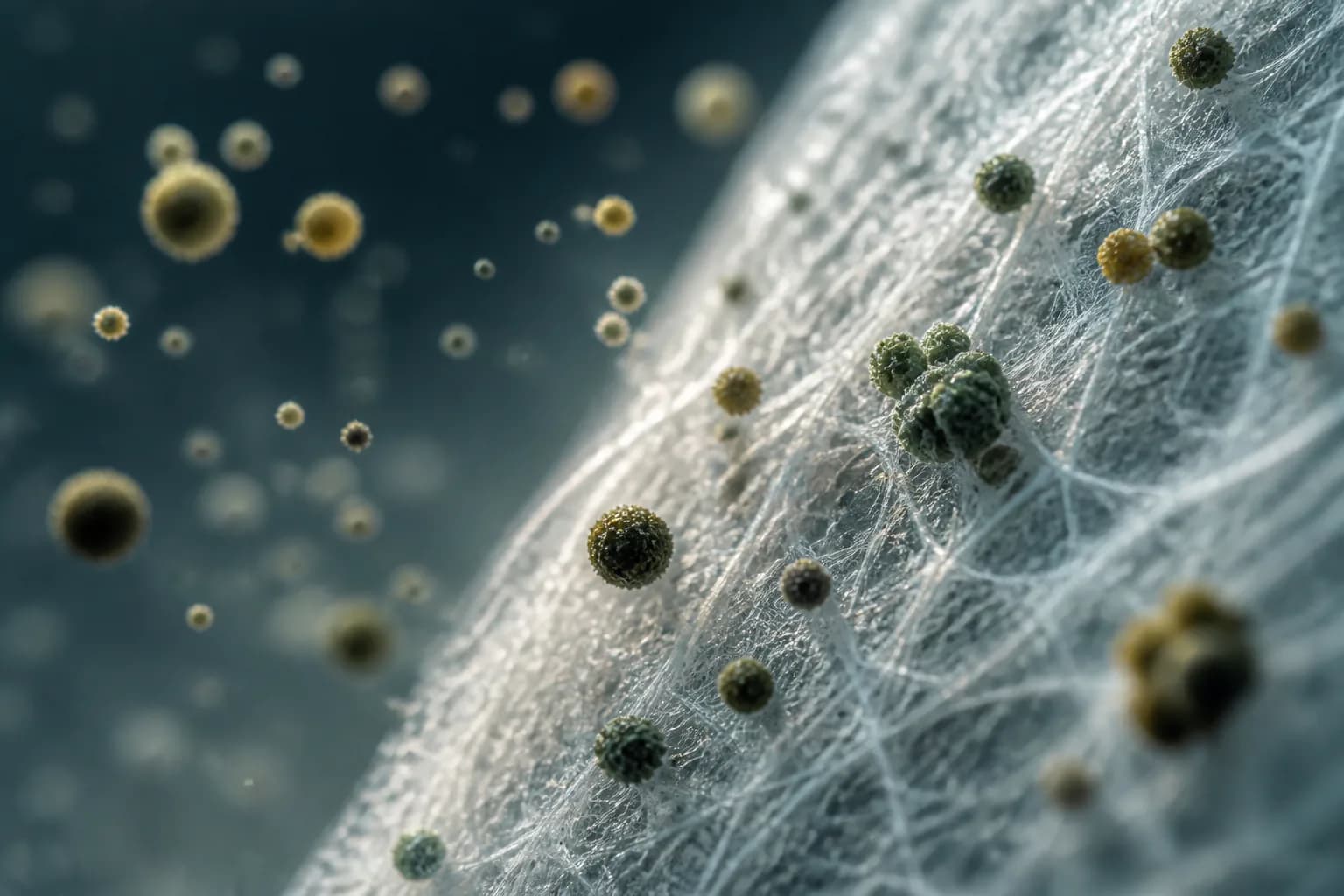
These are minute reproductive cells that a mold releases into the air. They spread by floating through the air and settling in a new area, where they can grow into a new mold colony.
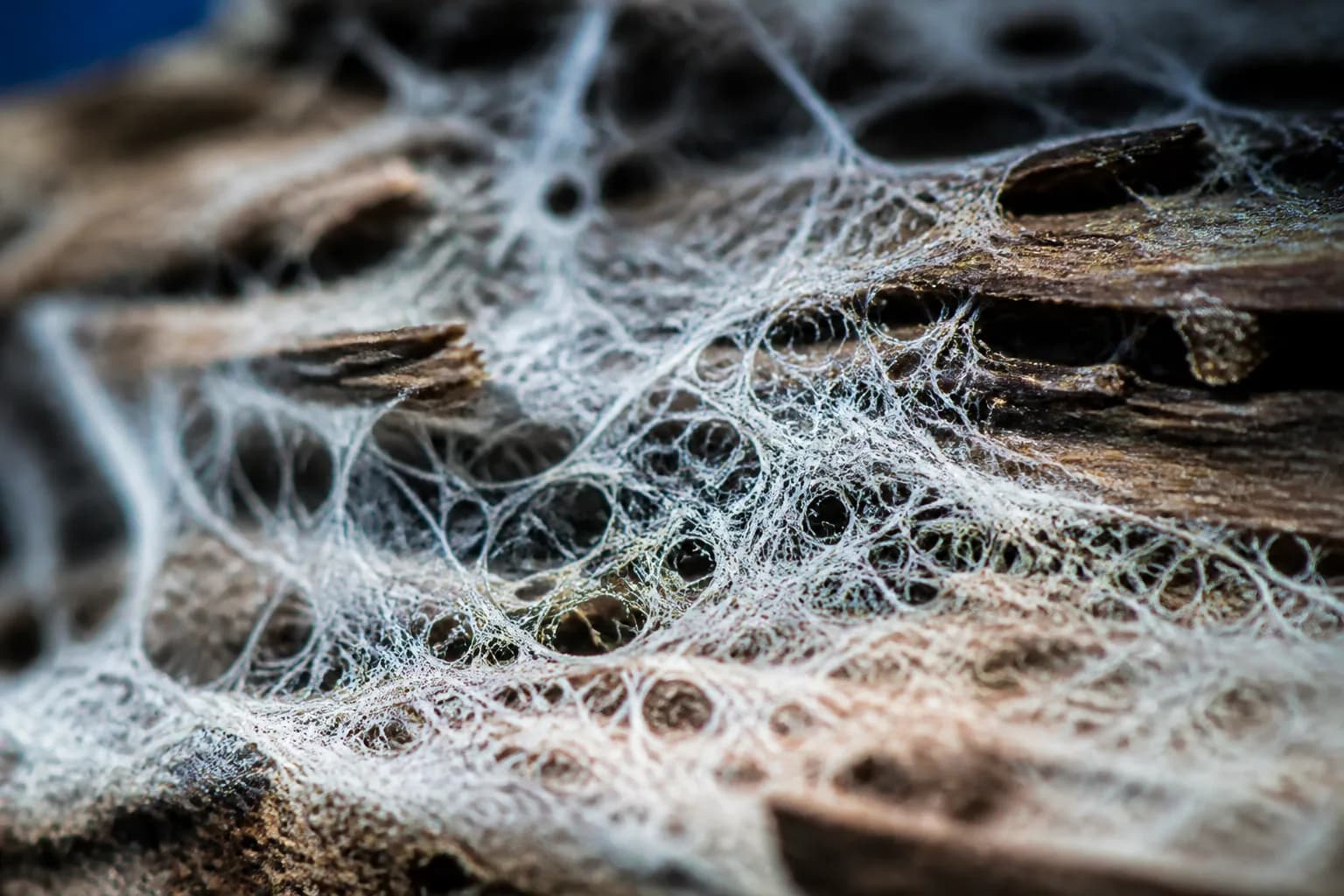
Mycelium
This is the vegetative portion of a mold, usually manifesting as a fuzzy or cottony growth on surfaces. The mycelium is the mass of hyphae that composes the greater part of the mold and includes most of the living cells of the organism.
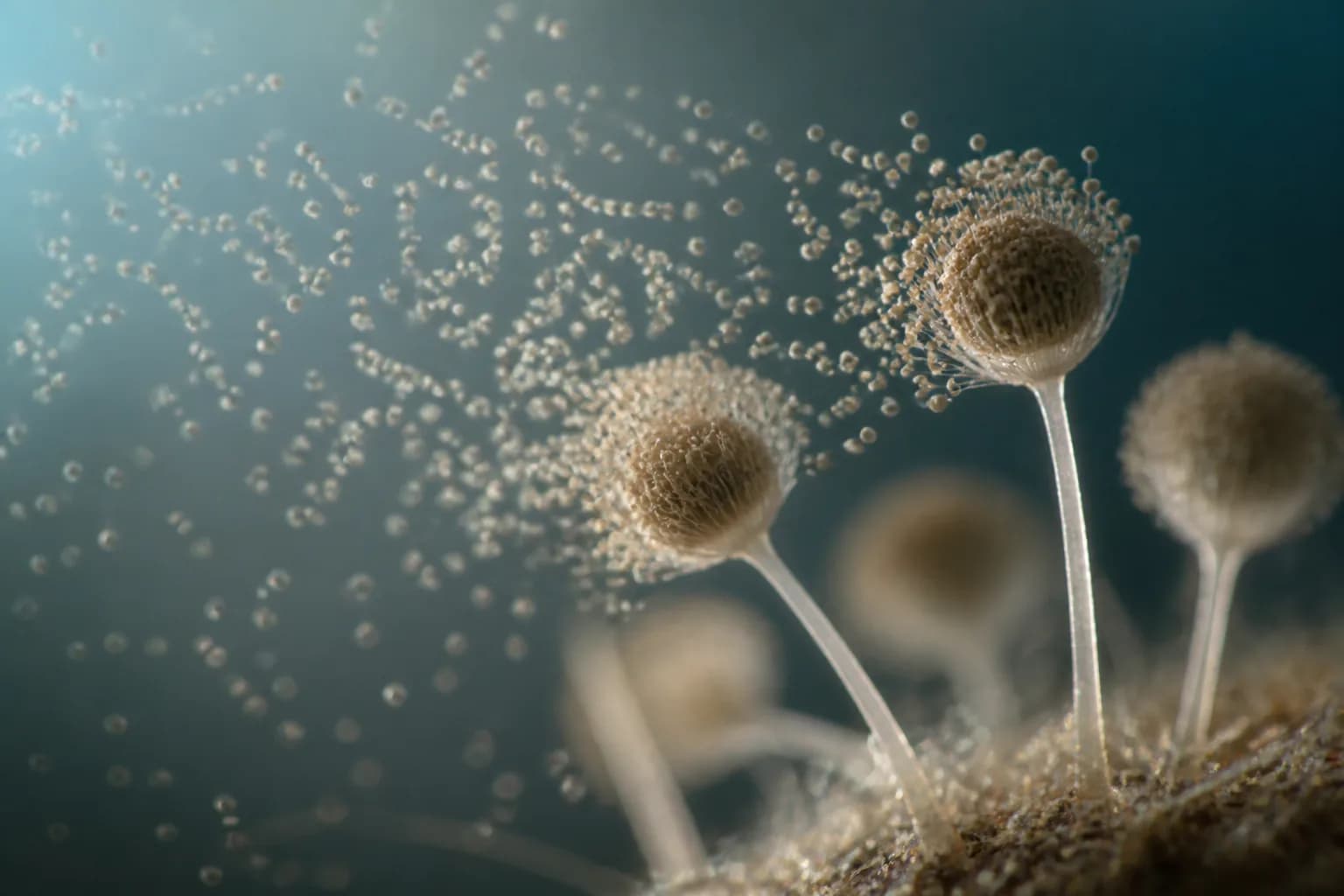
Sporulation
It occurs naturally in mould. As a result of that process-because of it-spores are produced, dispersed into the atmosphere, and develop into new mold when favorable growing conditions are available.
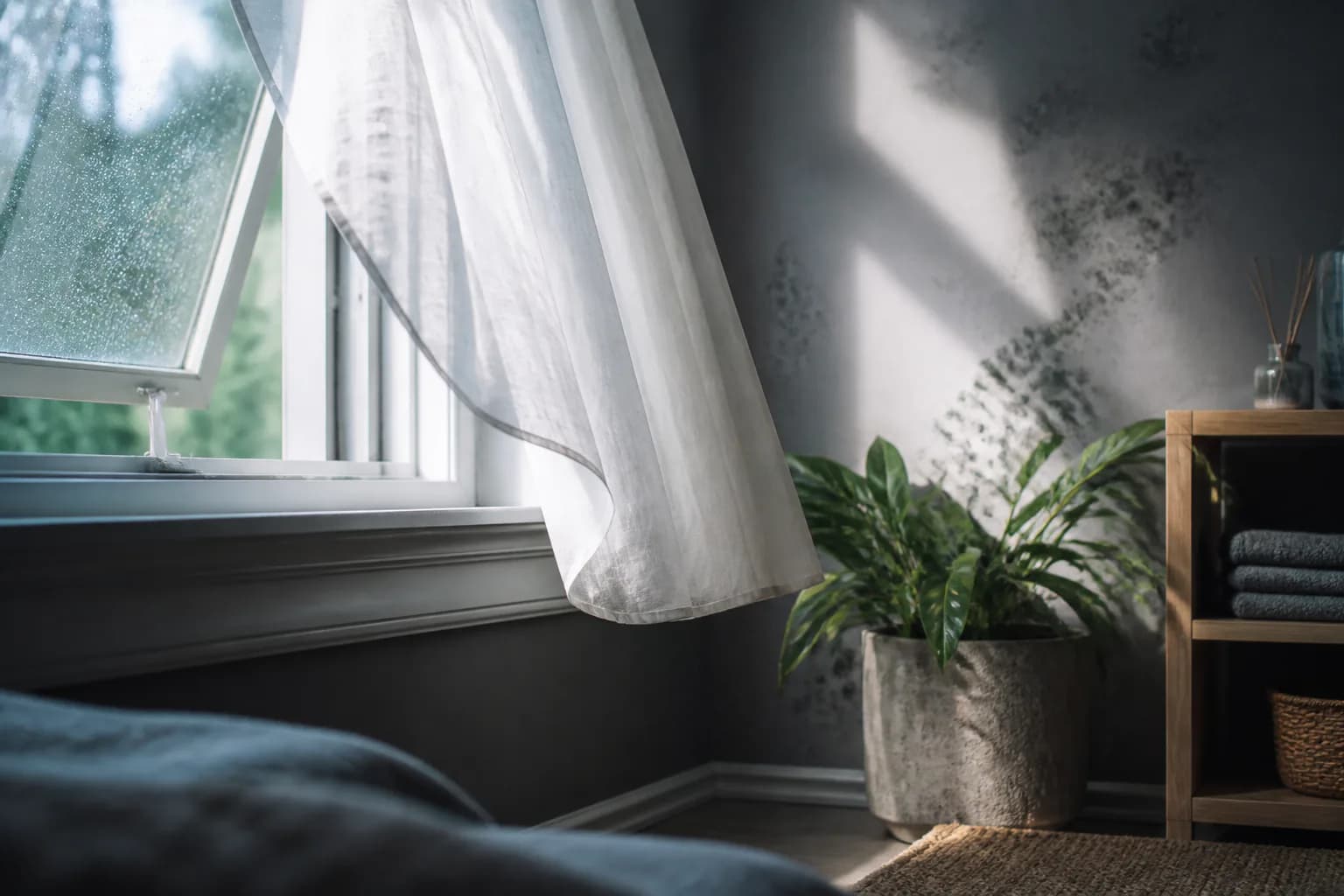
Ventilation
The movement of air in any space to replace or exchange the air therein for the improvement of interior air quality. Proper ventilation suppresses the growth of mold in various ways since it brings down humidity and moisture levels.
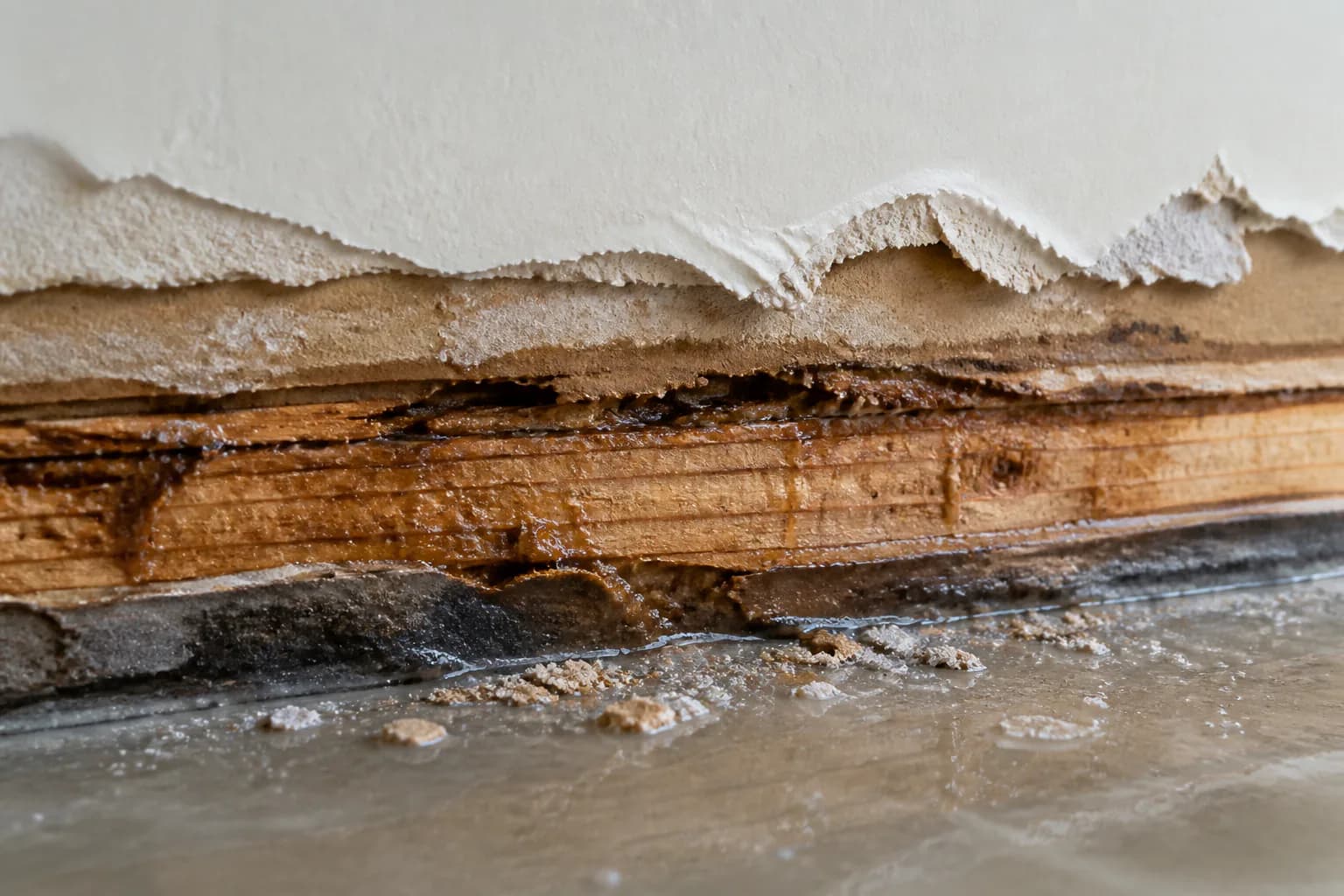
Water Damage
Water infiltration, leakage, or spills can be detrimental to materials and structures of the building, which may in turn aid in a mold outbreak when not mitigated.
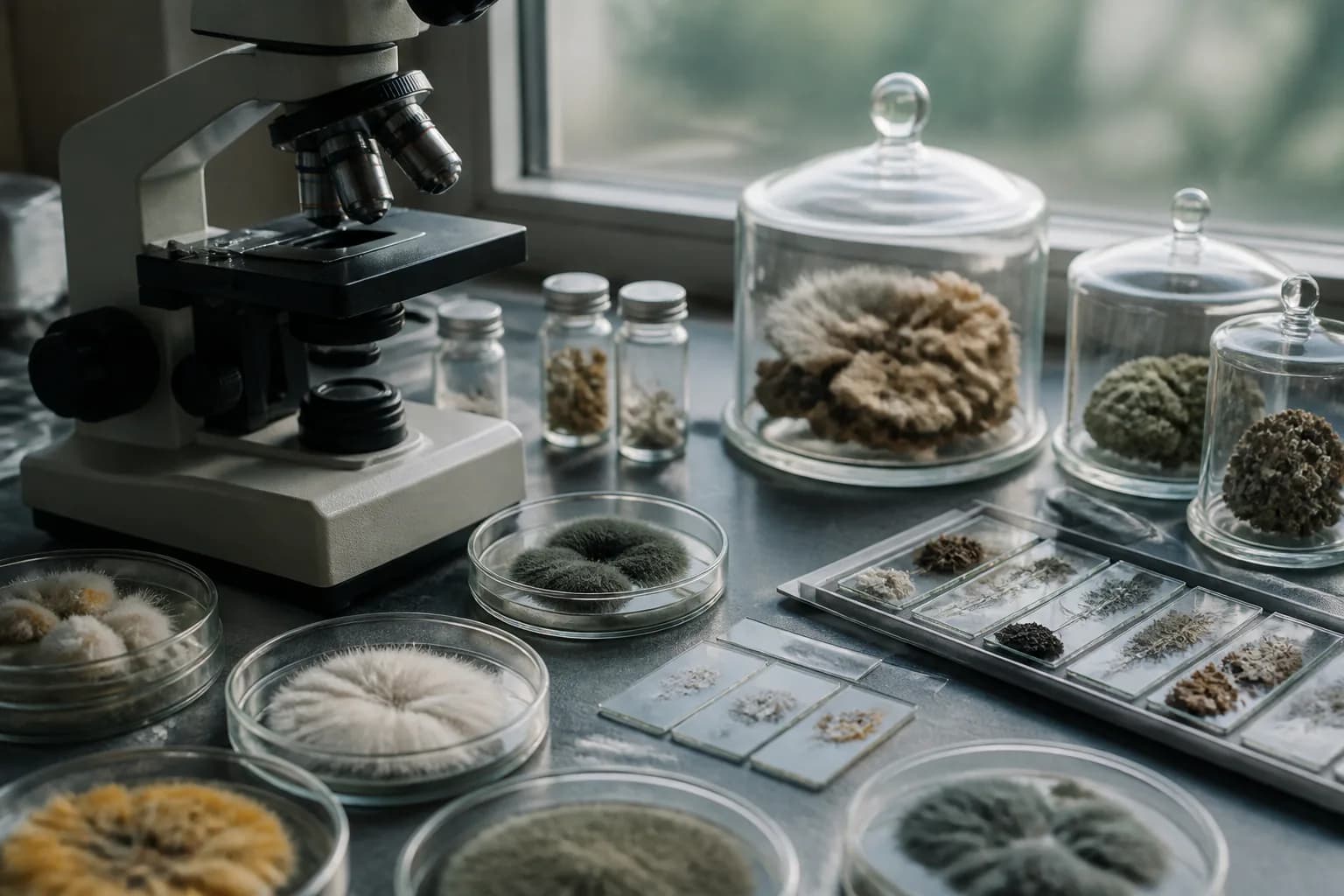
Mycology
scientific study of fungi, including mold. Mycology basically classifies fungi, reports on their biology, and describes their ecology.
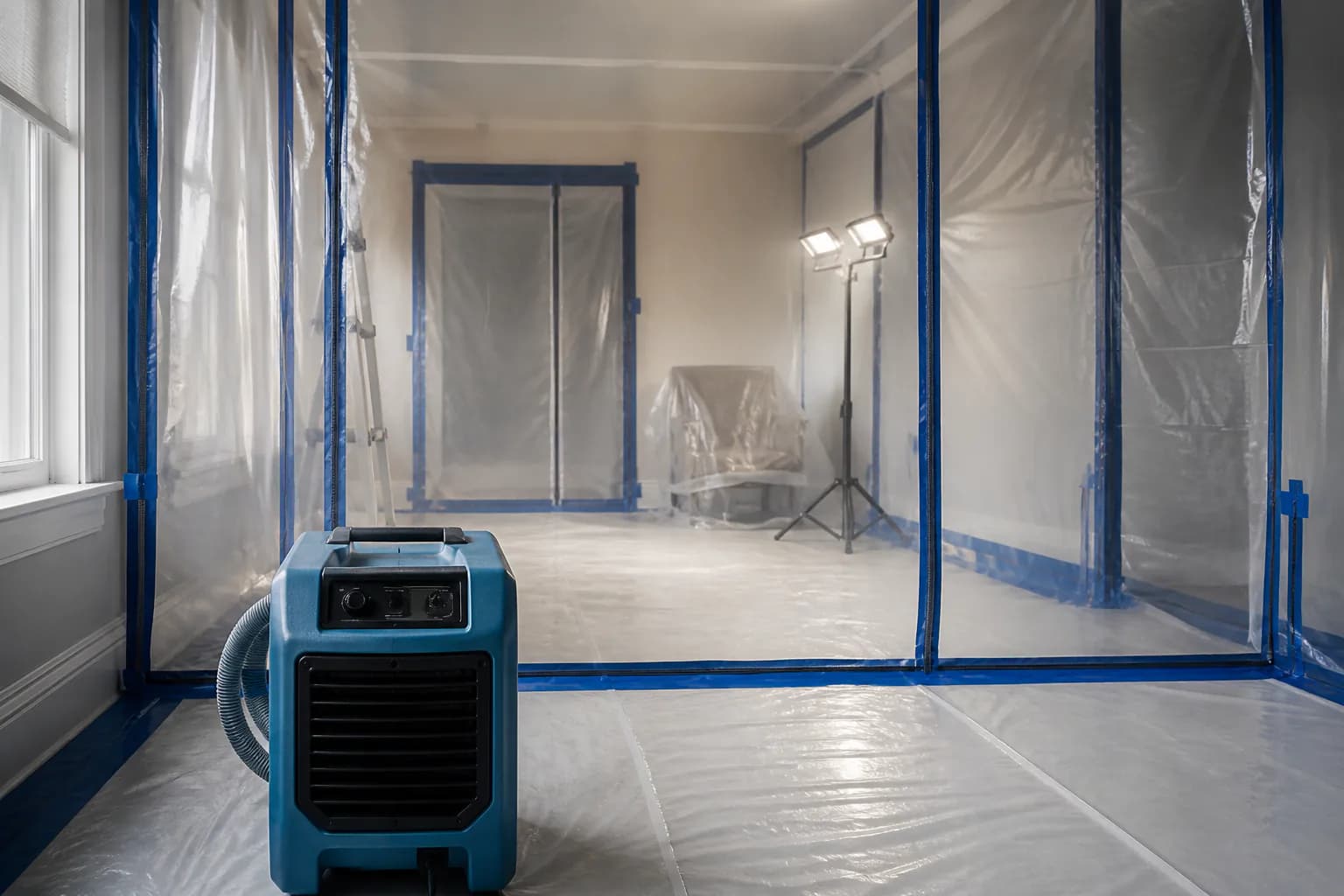
Mold Remediation
The process of removing or cleaning up mold contamination indoors so that it does not become a health hazard or cause for structural damage.
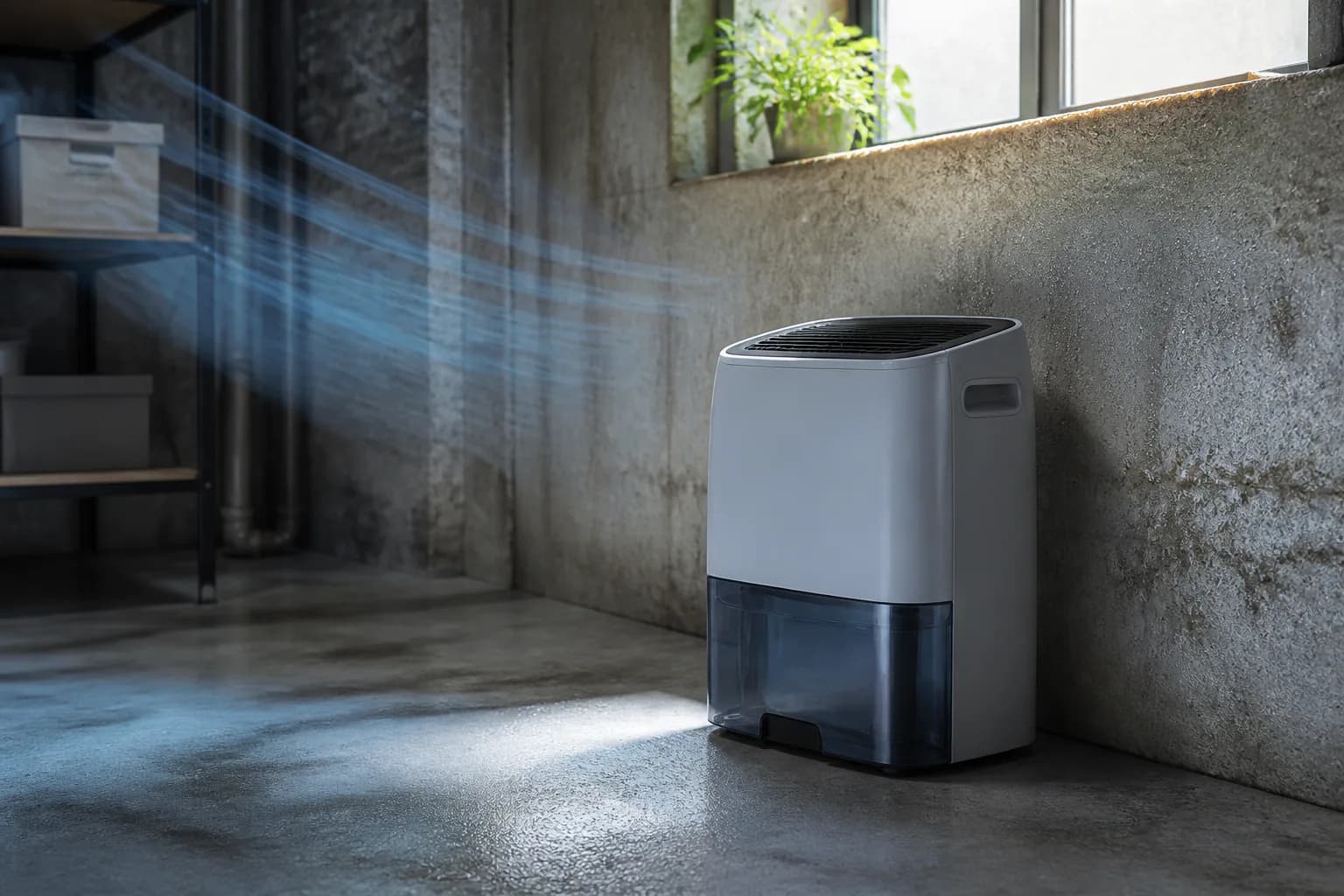
Dehumidification
This is the process of reducing the amount of water vapor in the air. Dehumidifiers are usually utilized to control the level of humidity; hence there will be no formation of molds.
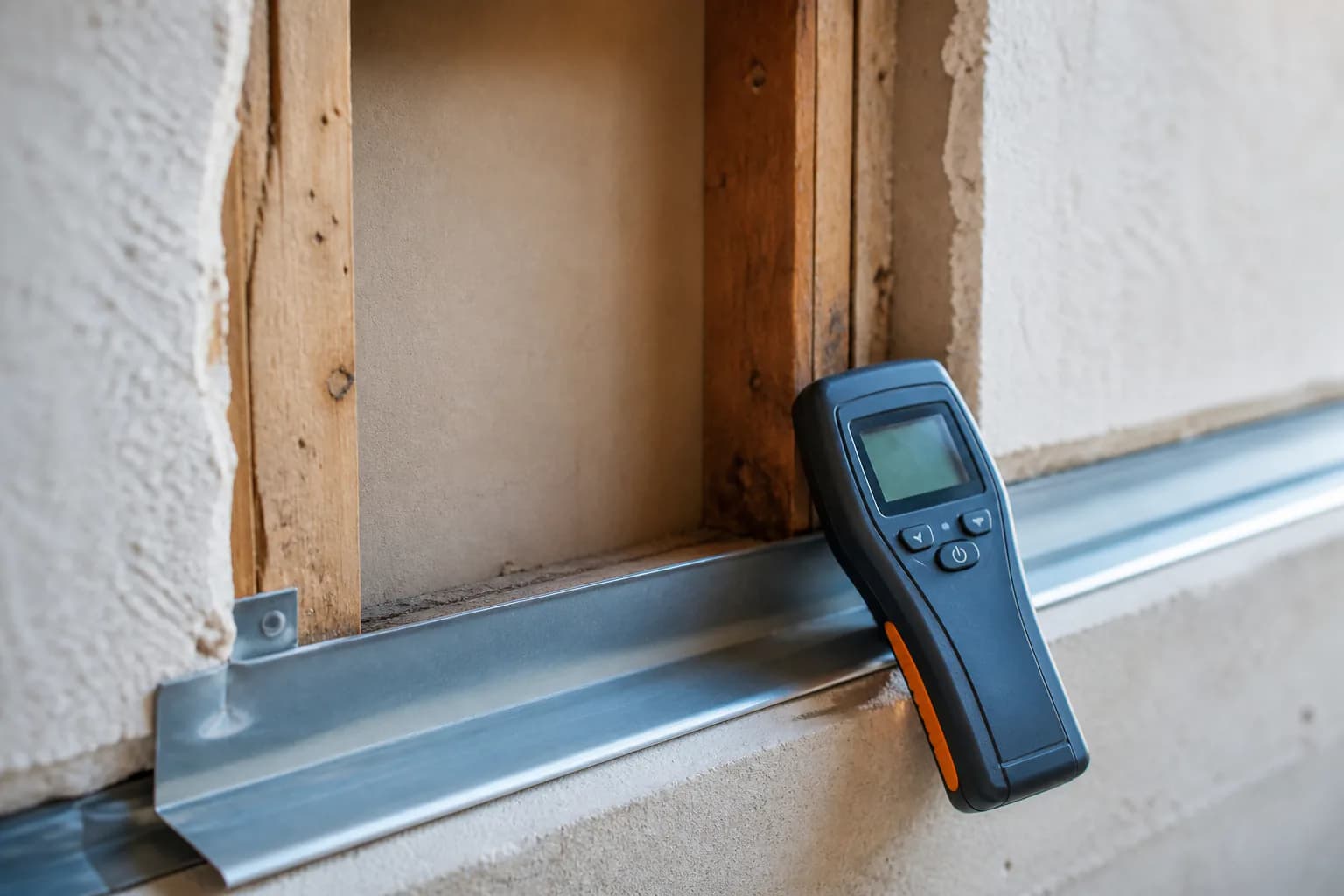
Moisture Control
Some of the actions implemented to control and reduce indoor environment moisture levels to eliminate the potential for mold growth
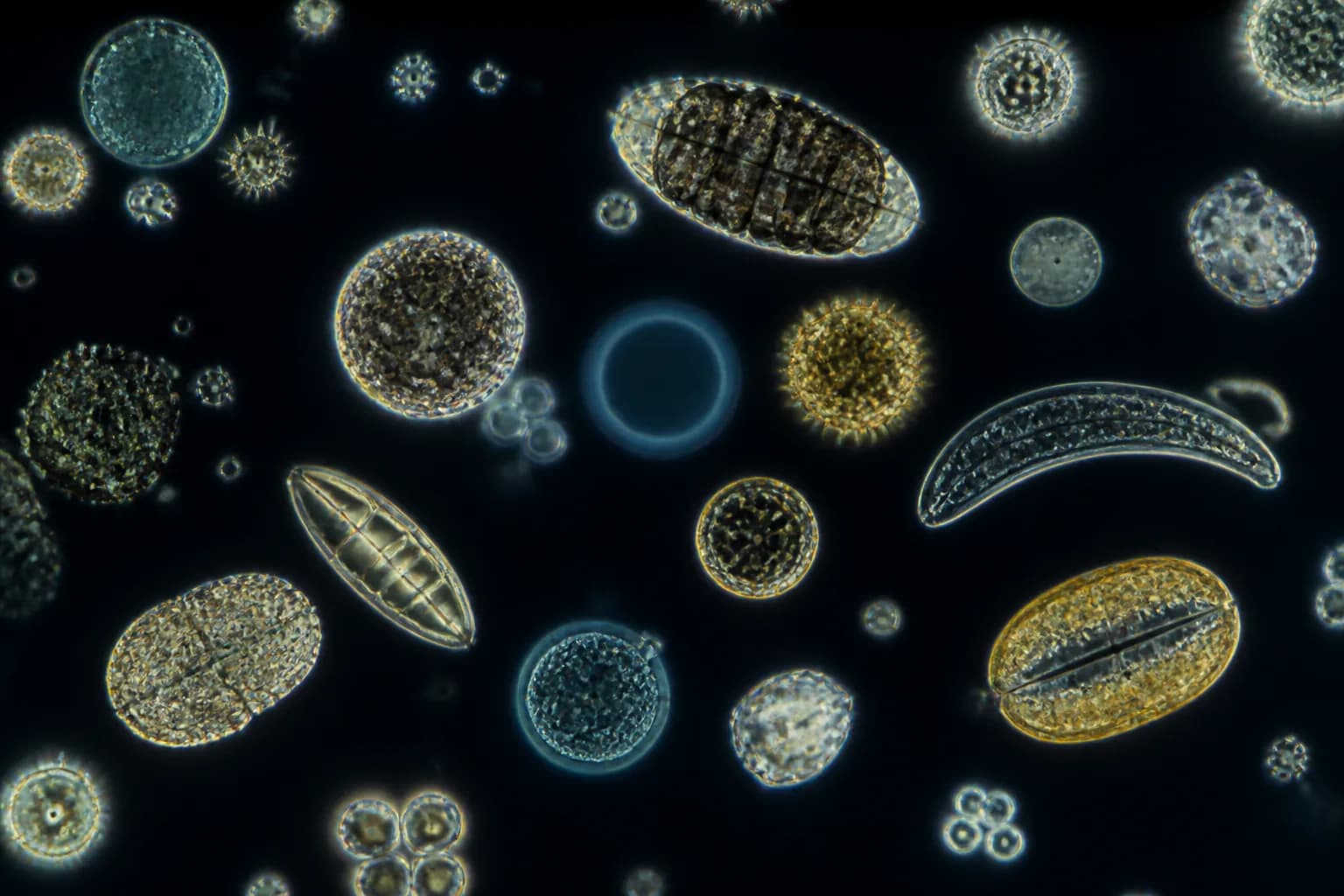
Spores
The reproductive organs of mold that can become airborne and spread to other places. Mold spores stand a chance of forming new molds upon coming into contact with a viable surface.
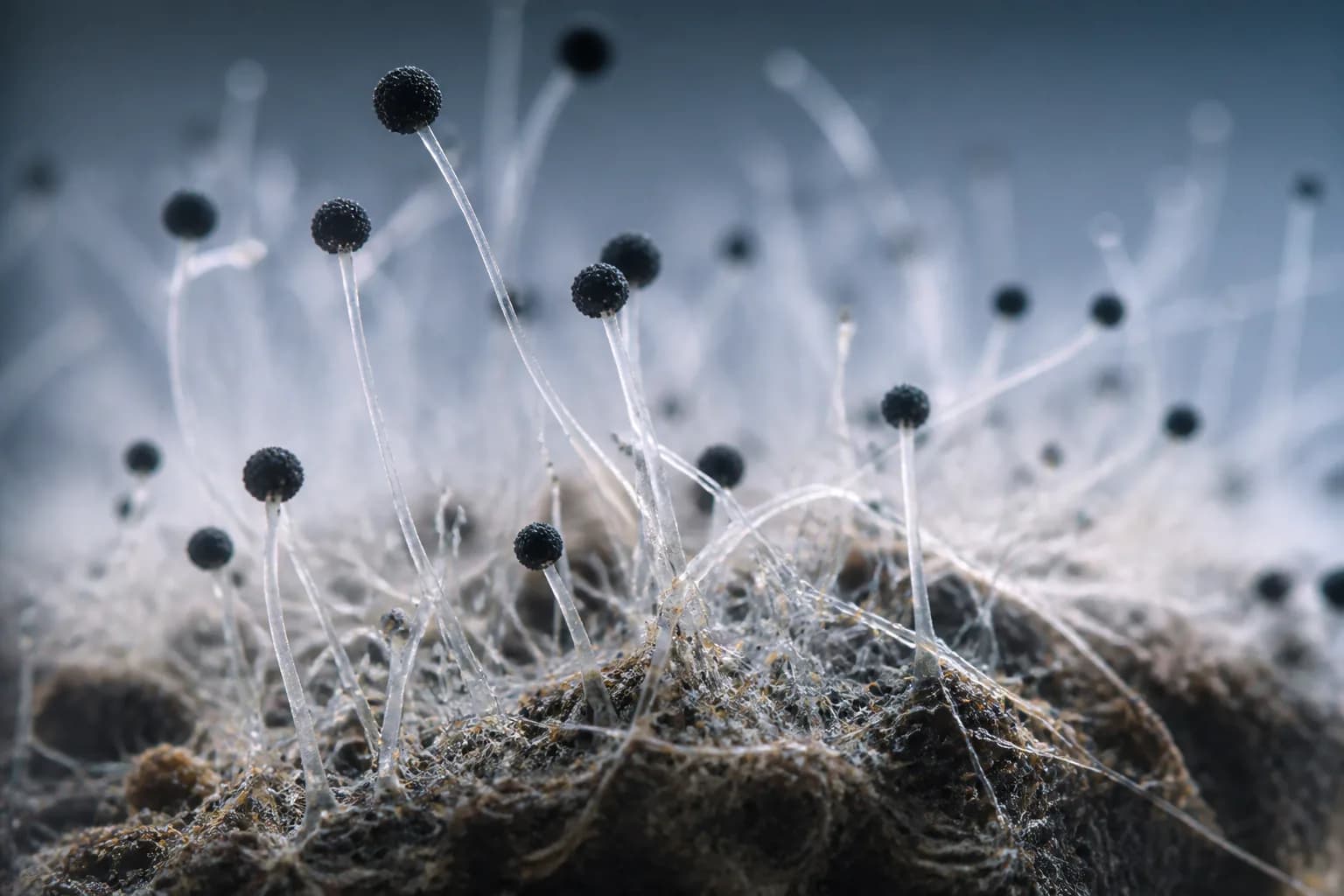
Zygomycetes
A class of fungi that includes Rhizopus and Mucor-like molds. Most of these are found in the soil and dead organic material.
This glossary includes some of the basic definitions used about mold, its growth, and the effects of the same in an indoor environment. Finding and identifying mold in your home is very important for not only the health and wellbeing of you but those you keep close.
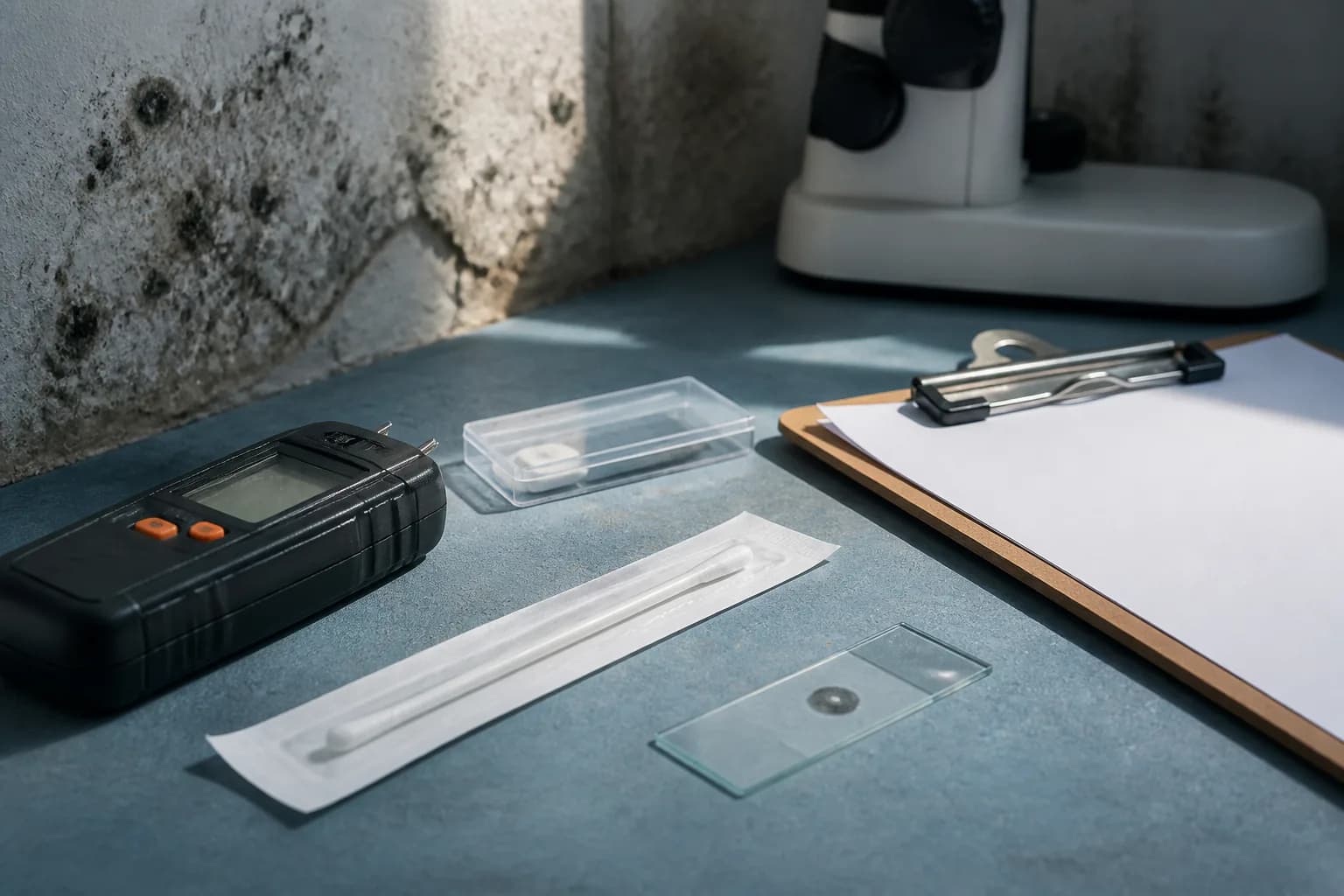
Start with independent testing.
Quest connects visible conditions to moisture data, controlled sampling, and accredited laboratory analysis.