Asbestos testing / before abatement
Confirm the Material Before Asbestos Removal
Independent asbestos inspection and laboratory testing identify suspect materials and define the evidence an abatement contractor needs before removal begins.
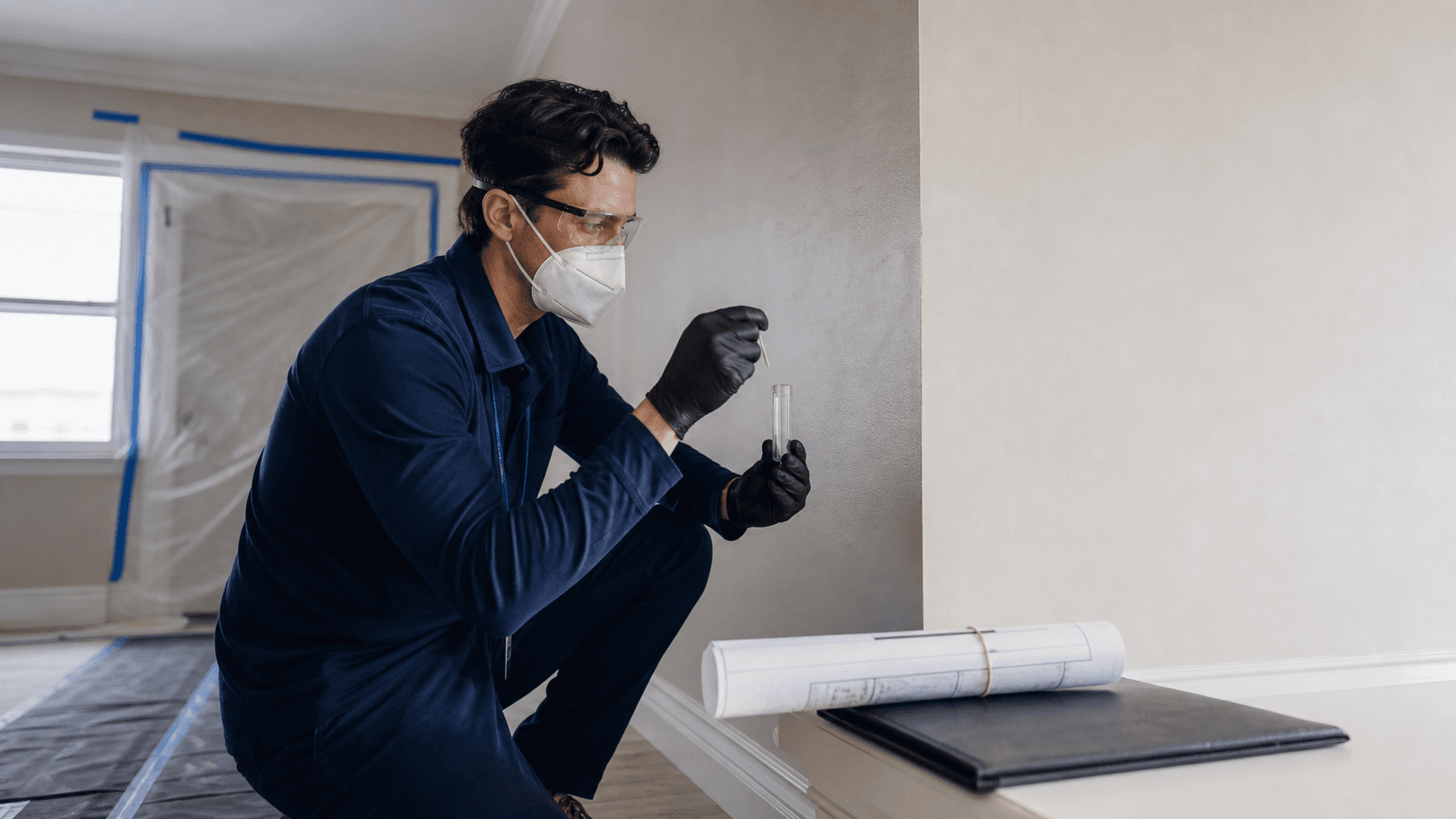
Two different questions
An abatement quote prices removal. Testing confirms which materials require it.
Material identity, location and laboratory evidence.
Independent asbestos inspection and laboratory testing identify which suspect materials contain asbestos and where those materials are located. An abatement estimate can price removal, but testing provides the evidence that defines what belongs in the scope.
A defined asbestos abatement scope.
A properly licensed asbestos abatement contractor can plan controls and removal after suspect materials have been sampled, located and documented.
When to stop and define the condition
Pause before disturbance when a material is still suspect.
Asbestos decisions depend on the material and work area. Testing before demolition or removal prevents an estimate from becoming the only basis for deciding what must be abated.
Renovation is planned
Flooring, walls, ceilings, insulation or other older materials will be cut, sanded, removed or demolished.
Materials are damaged
Pipe insulation, tile, surfacing material or another suspect product is deteriorated or has been affected by water or fire.
The scope is disputed
Contractors or project stakeholders disagree about which materials belong in the abatement area.
Clearance is required
Abatement is complete and the project needs independent inspection or air-testing documentation before closeout.
The evidence sequence
Move from a suspect material to a documented decision.
Quest performs asbestos inspection, sampling and testing only. Because we do not perform abatement, the findings remain separate from the company that may later price and complete the removal work.
Identify
Locate suspect building materials before they are disturbed.
The inspection follows the planned work area and the materials present—not a blanket assumption based on age alone. Each distinct suspect material is documented for appropriate sampling.
What defines the scope
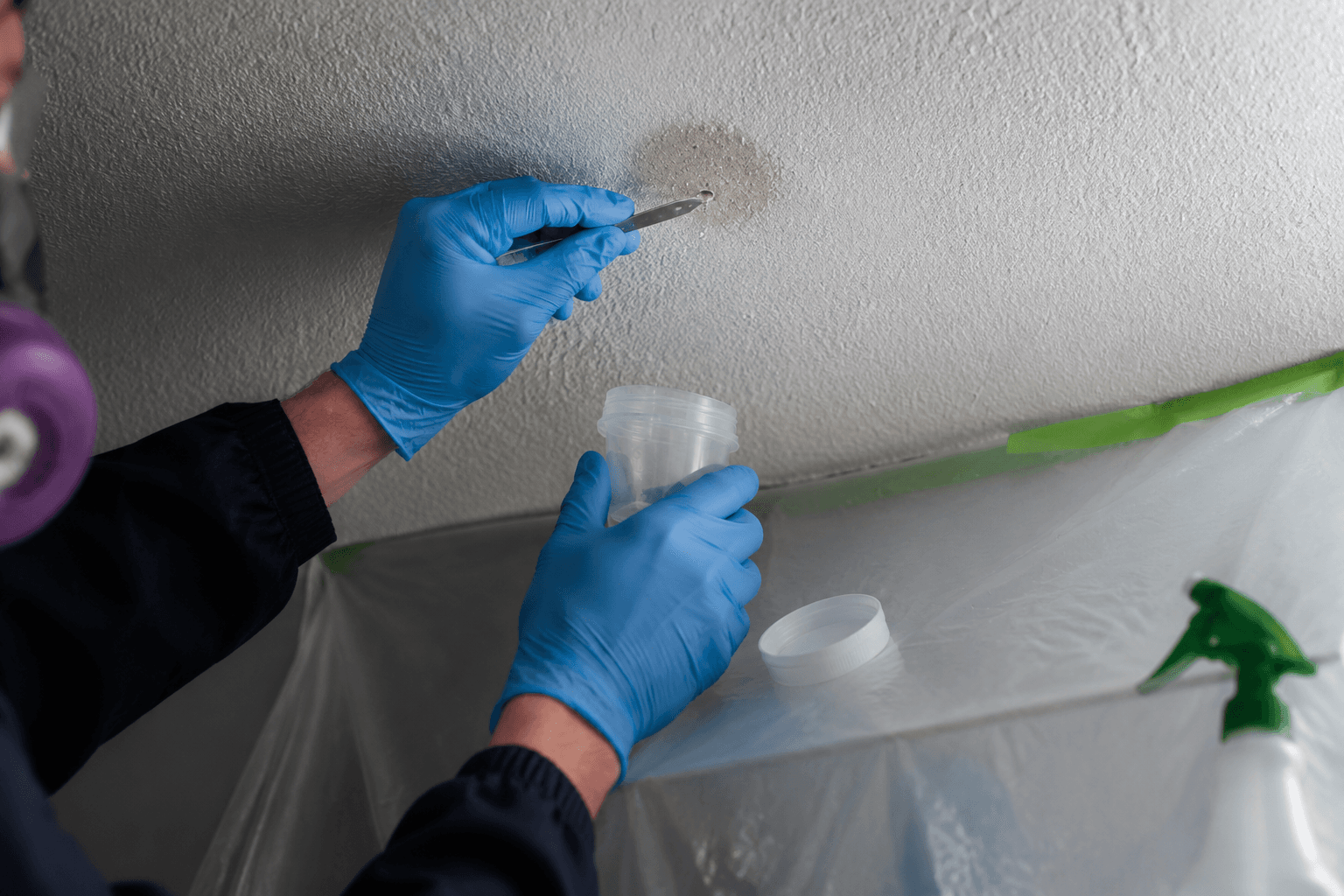
A useful asbestos scope ties every result to a place and material.
The testing record should distinguish what was sampled, where it was found and how the result affects the planned work.
- Work area
- The rooms, assemblies and planned disturbance included in the inspection
- Materials
- Each distinct suspect building material identified for sampling
- Laboratory
- Accredited analysis tied to controlled sample locations
- Closeout
- The inspection or air-testing requirement after abatement
Independent handoff
One asbestos record. Separate responsibilities.
Quest identifies suspect materials, collects controlled samples and documents accredited laboratory results
A properly licensed asbestos abatement contractor performs the work defined by the findings
Quest provides independent post-abatement clearance inspection or air testing when required
Before work begins
What project teams ask before asbestos removal.
Does Quest perform asbestos removal?
No. Quest provides asbestos inspection, controlled sampling and testing. A properly licensed abatement contractor performs any removal supported by the findings.
Can asbestos be identified by looking at it?
Appearance and building age can make a material suspect, but they do not confirm asbestos content. Laboratory analysis of a controlled sample answers that question.
How is the testing scope determined?
The inspector reviews the planned work area and identifies each distinct suspect material. Samples and location records are organized around those material groups rather than a generic package.
What happens if a material tests positive?
The written finding gives the project team a basis for planning. A properly licensed abatement contractor can then price and perform the defined work, with independent clearance arranged when required.