Moisture investigation
Moisture and Leak Detection in Long Island
Slow leaks and hidden moisture can cause serious damage to your home or building. Our certified testing methods help you find the problem quickly so you can fix it before it worsens.
IICRC Certified | EPA Certified | Certified Mold Inspector
What the service covers
What Is Moisture and Leak Detection and Why Does It Matter?
Contact Quest Mold and Asbestos Testing today to schedule a comprehensive inspection and catch water problems early.
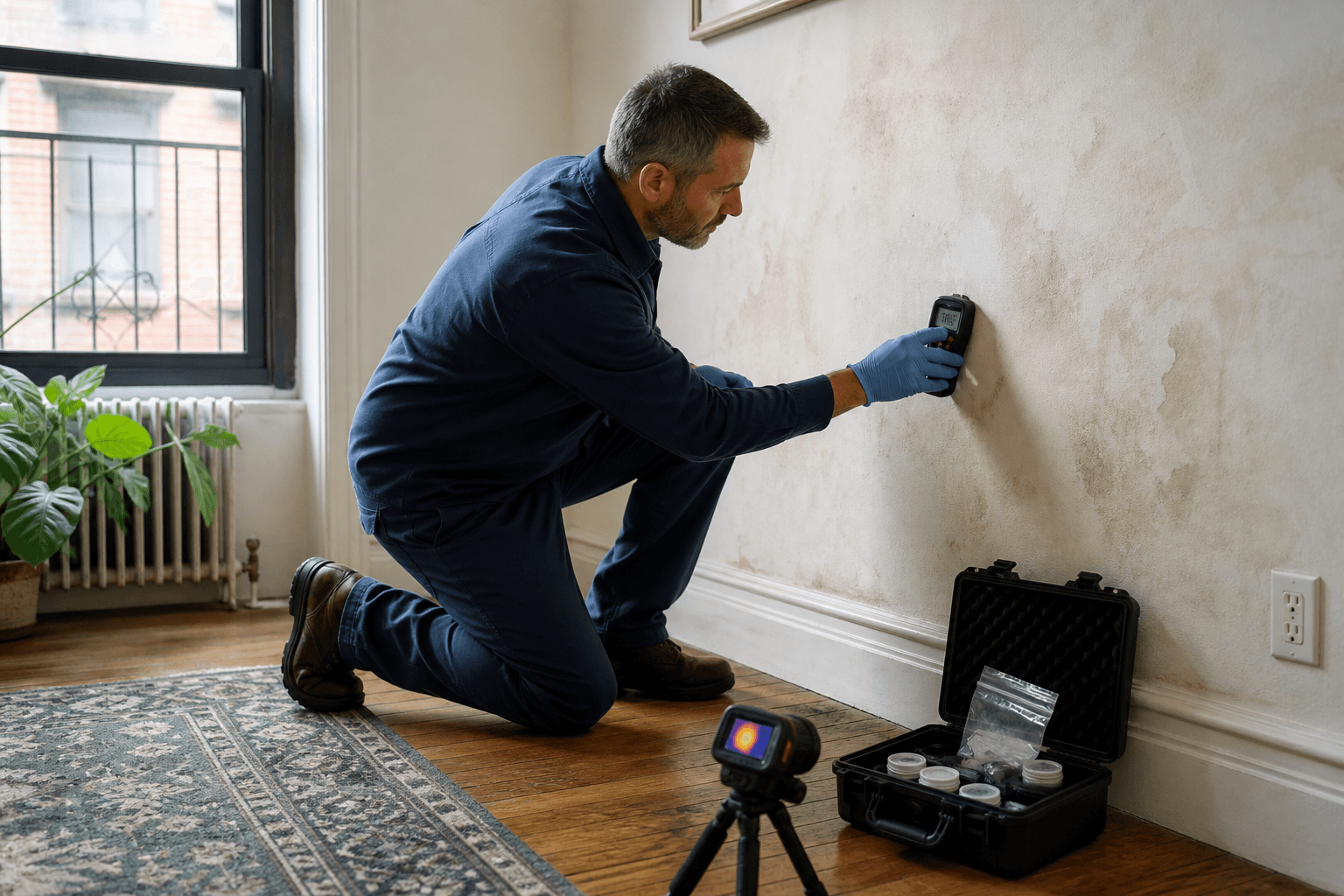
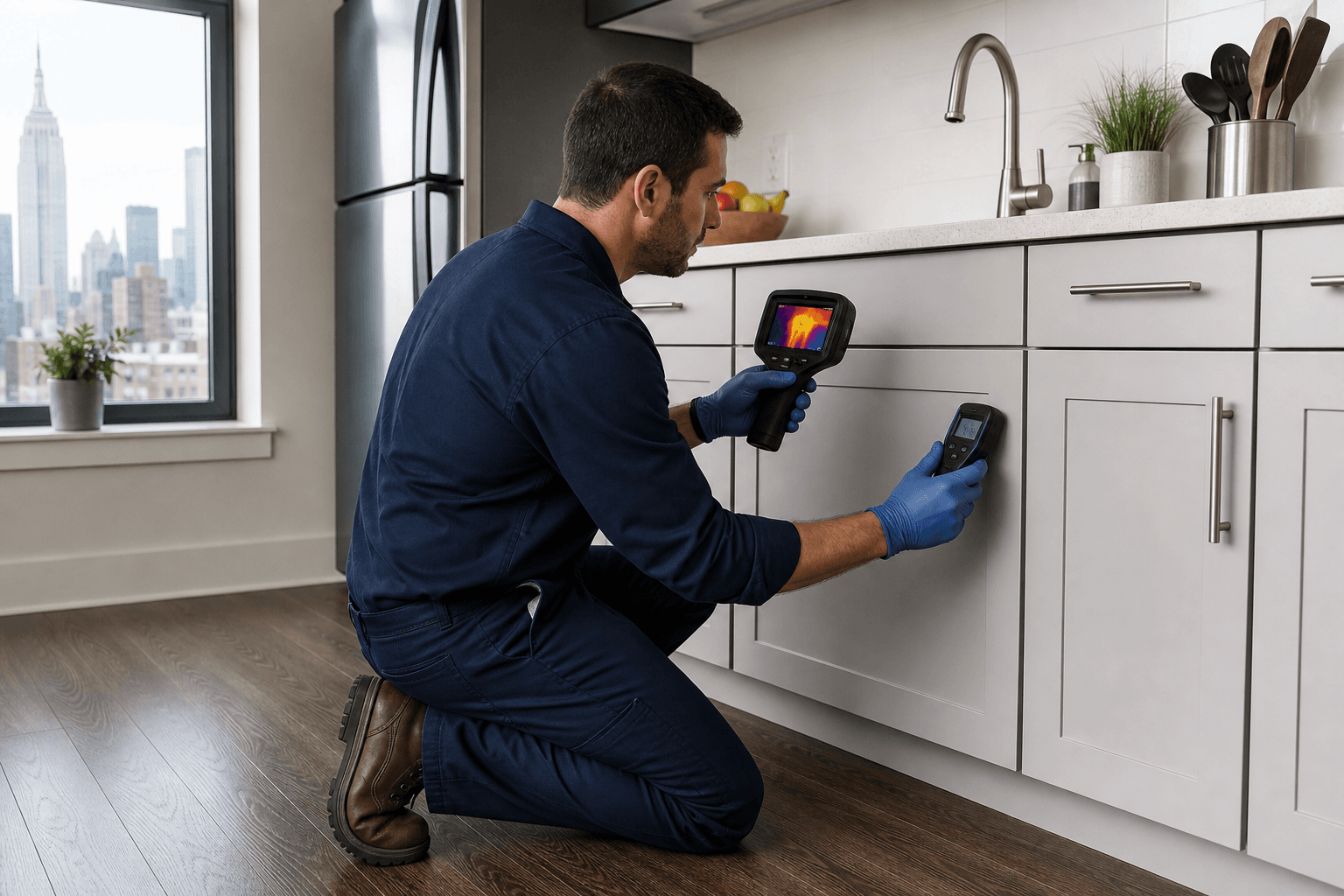
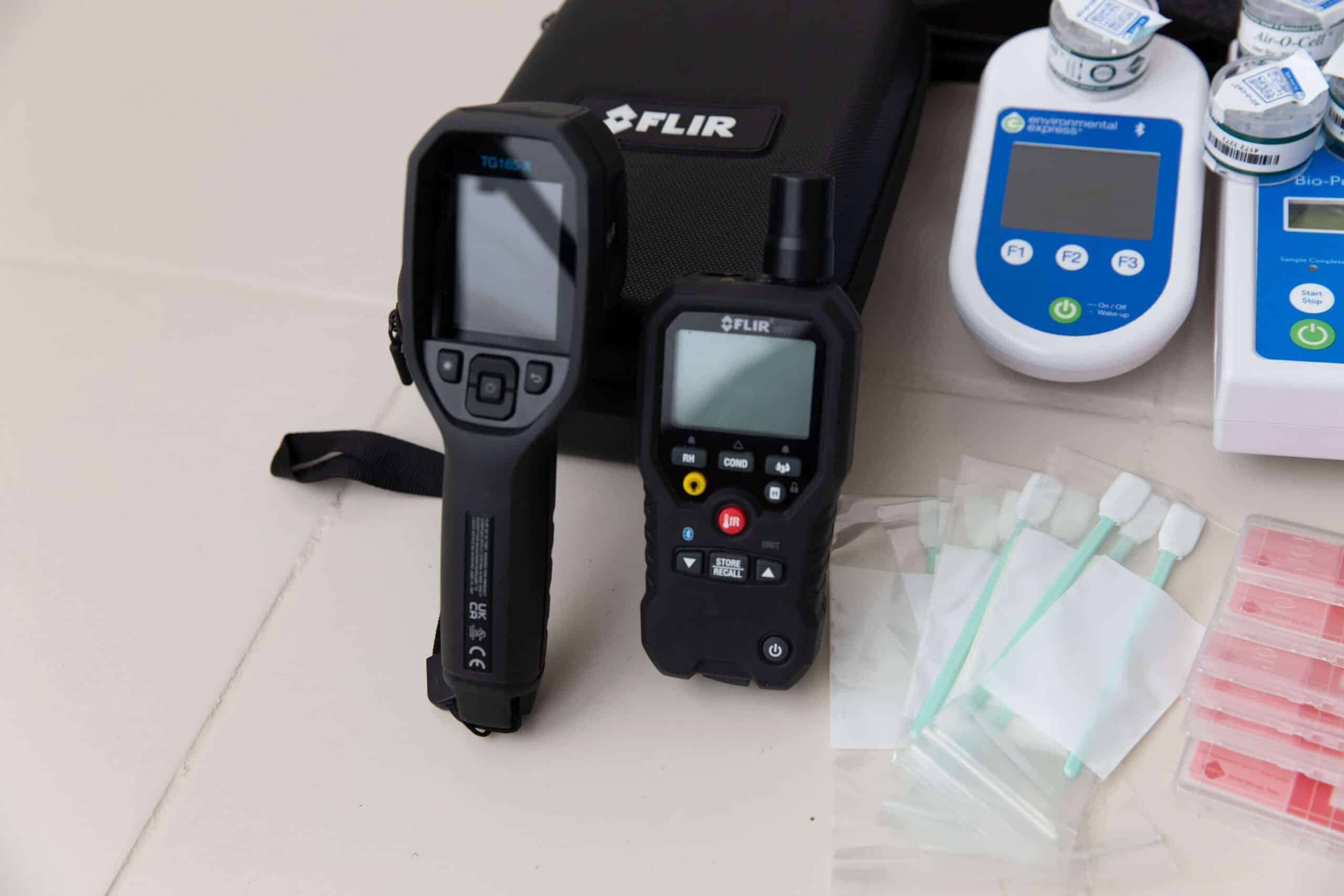
Moisture and leak detection means finding water where it does not belong, like inside walls, under floors, or above ceilings. Trained inspectors use tools such as moisture meters and thermal cameras to check for water without opening walls or floors.
These tools measure moisture in wood and drywall and reveal temperature changes that indicate damp spots. The goal is to find hidden water from plumbing leaks, foundation seepage, or roof problems before it causes soft spots, stains, or mold.
In Long Island, New York, coastal humidity and many older buildings make moisture detection especially important for property owners aiming to prevent damage. Small leaks, if left unnoticed for months, can weaken the structure and allow mold to grow.
Professional moisture and leak detection in Long Island gives you a clear picture of any problem area and its source.
Credentials behind the work
Certified inspectors. Recognized standards. Independent findings. MICRO
MICRO IICRC
IICRC CMI / CMRC
 EPA Lead-Safe
 NYS Department of Labor
Hidden Moisture Problems That Are Easy to Miss
Book a moisture and leak inspection today to identify the source of unwanted dampness and prevent further damage to your property.
Most water damage starts with small, easy-to-miss signs that build quietly over weeks or months. Here’s what you should look for:
- Sticky doors and windows due to moisture trapped inside.
- Paint bubbling on walls with no nearby plumbing.
- Sudden spike in water bill with no change in usage.
- Indoor allergy symptoms that improve the moment you step outside.
- Musty odors in closed rooms even after cleaning.
- Uneven floor spots that feel warmer or cooler than the surrounding floor.
- White, chalky residue is building up on the basement walls.
What are the Sources of Water Leaks and Moisture Problems?
Get a professional inspection with a moisture detector for walls, roofs, ceilings, and floors to pinpoint the exact source and schedule a mold inspection if there’s any sign of growth.
Most moisture problems start from a specific source, but finding it without the right equipment is nearly impossible. Common sources include:
- Aging pipe joints
- Roof flashing gaps
- Foundation wall cracks
- Blocked HVAC condensate lines
- Failed window and door caulking
- Washing machine supply lines
- Cracked bathroom tile grout
- Flat or low-slope roofs
Our Moisture and Water Leak Detection Services in Long Island
Hidden moisture can spread and cause costly repairs. Our commercial and residential leak detection services help you quickly find the source.
Residential Leak Detection
Water inside a home can travel far from where it first enters. Tools such as moisture meters and thermal cameras help find the source without opening walls or floors.
Commercial Leak Detection
Moisture in a commercial building can affect several areas at once. A thorough inspection reveals where water is present and how far it has spread.
Emergency Leak Detection
When a leak occurs, it is important to identify the source quickly and accurately. A same-day inspection provides homes and businesses with a clear starting point for repairs.
Basement Moisture Detection
Water can enter through walls, floors, and drainage systems all at once. Basement water detector readings show exactly where water is entering and how much is present.
Plumbing Leak Detection
Pipe leaks behind walls or under slabs rarely show surface signs. Acoustic tools and pressure checks help find the location without extra cutting or damage.
Roof Moisture Detection
Water from a roof leak often travels along the structure before becoming visible inside a property. Using scans to trace the path can help identify the actual entry point.
What Happens When Moisture Goes Undetected for Too Long?
When moisture goes undetected for too long, it weakens structural wood, lets mold grow within 24 to 48 hours, and turns a small, inexpensive repair into a widespread one that requires full material replacement.
Wood absorbs water and loses strength from the inside, so by the time the framing feels soft or warped, the damaged material usually has to be replaced rather than repaired.
Mold follows moisture closely, taking hold on wet drywall or insulation in a matter of days. Once it spreads inside a wall cavity, you’re dealing with two problems at once. Prompt mold testing confirms how far it has spread, and black mold testing identifies whether the growth is a toxic species.
Timing is what drives the cost. A leak caught early affects a small area, while the same issue found months later spreads across multiple materials and costs far more to fix. Don’t let a hidden leak turn into major damage. Call our water leak specialists in Long Island to find issues early.
Step-by-Step Process of Detecting Hidden Moisture
Many property owners think leak detection is just about looking for wet spots or visible damage. However, the process goes deeper, using specialized equipment to detect water that leaves no visible trace.
The inspection begins with a visual check for discoloration, warping, and unusual odors
Moisture meters then read the exact water content inside walls, floors, and ceilings
Thermal cameras detect temperature shifts indicating wet areas behind surfaces
Infrared scanning maps how far moisture has spread across walls and ceilings
Acoustic equipment detects water moving or dripping inside pipes
Pressure testing then checks whether any plumbing line is leaking
Crawl spaces, attics, and basements are each inspected separately
Every finding is recorded with exact readings and locations for accurate repairs
Schedule a thorough moisture and leak detection in Long Island with us that checks every surface and possible entry point.
Different Water Leak Detectors Used in Moisture Inspections
Get accurate results with our professional-grade moisture leak detectors. Call Quest Mold and Asbestos Testing today to quickly locate the source.
Finding hidden water depends on using the right equipment for each surface. Each tool below serves a specific purpose:
Pin-type moisture meters
Measure water content in wood and drywall.
Pinless moisture meters
Scan surfaces without puncturing the material
Infrared thermal cameras
Detect moisture behind walls via temperature changes.
Borescope cameras
Inspect inside wall cavities through a small opening.
Acoustic listening devices
Pick up water moving inside pipes.
Hygrometers
Measure humidity in crawl spaces and enclosed areas.
Pressure gauges
Confirm whether a plumbing line is actively leaking.
Tracer gas equipment
Detects micro-leaks that acoustic tools cannot pick up.
Why Choose Us for Moisture and Leak Detection in Long Island?
Get accurate moisture and water leak detection from a team that Long Island property owners consistently rely on.
Not every water detection company in New York has the certifications, equipment, and experience needed to accurately locate moisture the first time. Here is what sets Quest Mold and Asbestos Testing apart:
- IICRC Certified Firm
- CMI & CMRC Credentialed Inspectors
- EPA Certified Professionals
- Certified Micro Mold Inspectors
- New York State DOL Licensed
- Thermal Imaging Technology
- Non-Invasive Detection
- Same-Day Inspections
- Full Written Reports
- Trusted Local Inspectors
“Meir was there right away to do my mold testing and he was honest and very helpful. I got my results within two days and he went over them with me on the phone.”

Local field coverage
Serving New York City and Long Island.
Send Quest the property address when scheduling and the team will confirm availability and the right testing scope.
A clear next step
Start with the property concern.
Tell Quest what you are seeing, smelling, renovating or trying to verify. The team will confirm the appropriate inspection or testing approach before the appointment.
Call 917-277-7580