
Permit readiness / New York City
The form is the finish line. The survey defines the path.
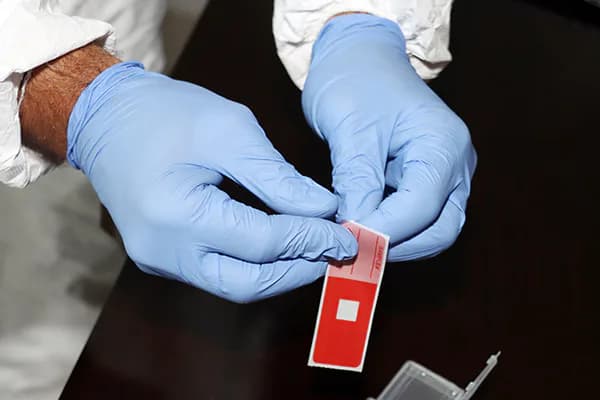
Start with the proposed work
Does the job affect existing building material?
That is the useful first question. A survey should follow the actual permit scope—not a generic sample count or a guess based only on the building’s age.
- Alt-1 and Alt-2 alteration permits
- Full and partial demolition applications
- Work that will cut into or disturb suspect building materials
A coordinated handoff
From project scope to permit-ready evidence.
Each handoff answers a different question. Keeping the scope, field notes, laboratory results and filing documentation connected reduces delays and contradictory records.
Send the work area
Share the address, drawings or a clear description of every area and material the project may disturb.
Inspect before disturbance
A DEP-certified investigator reviews the affected scope and identifies suspect building materials.
Test only what matters
Controlled bulk samples are analyzed by an independent accredited laboratory when visual review cannot establish the material.
Move the permit forward
The survey and laboratory evidence support the signed ACP5 record used by the project filing team.
Before the site visit
Bring the construction scope into the room.
Good ACP5 work begins before sampling. The inspector needs to understand what the project will open, remove, penetrate or demolish.
- The project address and DOB job information, if available
- Current drawings, marked-up plans or a written scope of work
- Every room, floor and building component the work may affect
- Your design professional or expeditor’s contact information
- The permit, bid or construction deadline driving the schedule
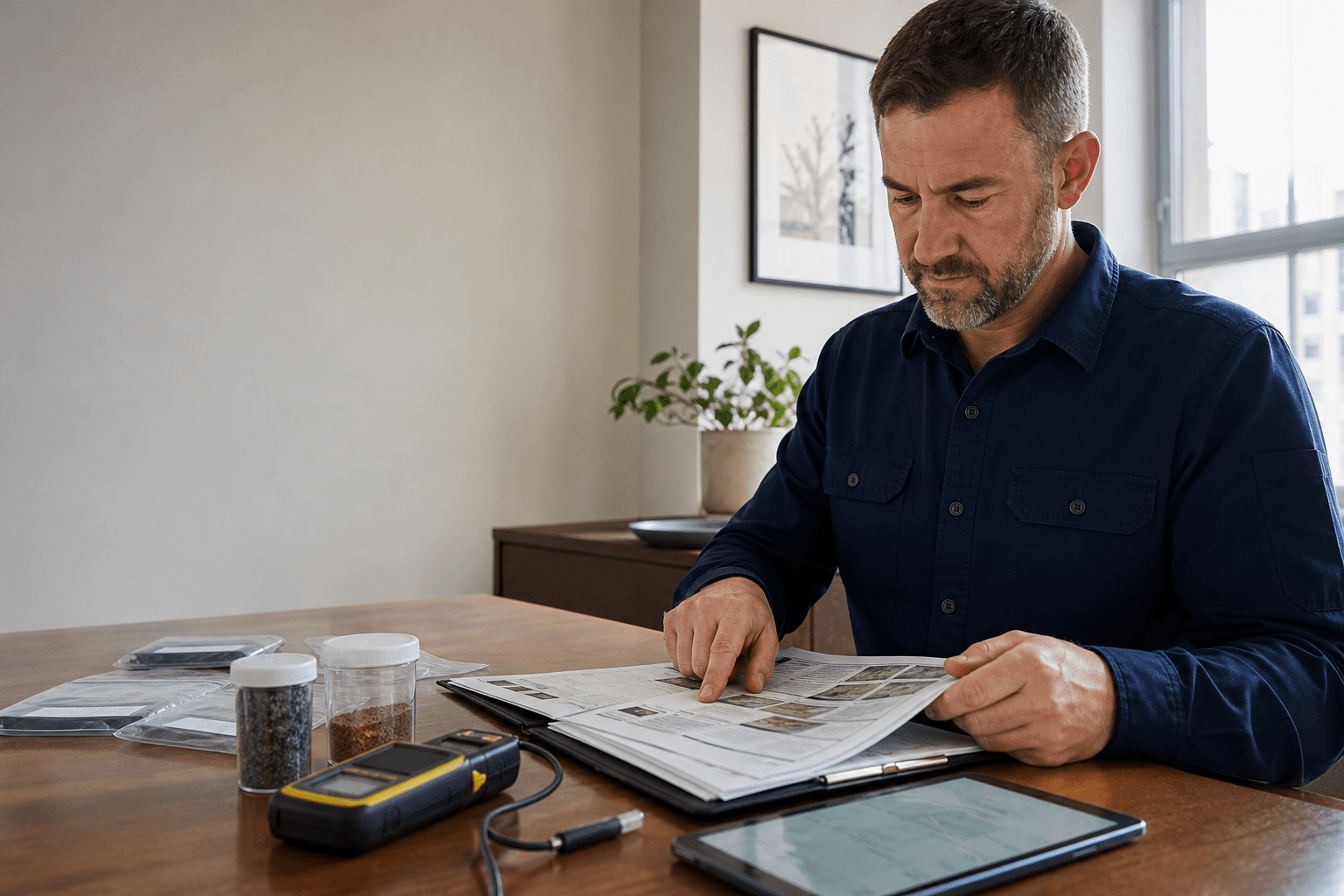
The survey determines the route
One inspection. Two very different permit paths.
The survey documents whether the affected scope can move through the ACP5 path or requires an asbestos-project filing and abatement.
No asbestos project in the affected scope
The surveyed area is free of ACM, existing ACM will not be disturbed, or the quantity to be abated is within the minor-project threshold.
Assessment filed → DOB permit coordination continuesAbatement must be coordinated first
When affected ACM exceeds the minor-project threshold, the job moves to ACP7 notification, licensed abatement and completion documentation.
ACP7 → abatement → independent clearance → completion recordKnown before you schedule
The practical filing details.
The city filing fee and laboratory turnaround are distinct from the field inspection scope.
- DEP filing fee
- $47City fee for the ACP5 filing
- Minor-project ceiling
- 10 sq. ft.Surface-area threshold
- Pipe insulation ceiling
- 25 linear ft.Linear-material threshold
- Rush laboratory option
- 24–48 hr.When availability and the analysis allow
Clear ownership
Know who carries each part of the job.
Survey and evidence
- Inspect the areas the proposed work will affect
- Collect controlled samples of suspect materials
- Coordinate analysis with an independent accredited laboratory
- Prepare the investigator’s assessment documentation
Permit coordination
- Confirm the complete DOB scope and affected areas
- Coordinate the ACP control record with the permit application
- Notify the investigator when plans or work areas change
Licensed removal and closeout
- Use a properly licensed abatement contractor
- Maintain independent project monitoring and clearance
- Complete the required DEP closeout before related work proceeds
Before fieldwork
Questions that change the filing path.
These answers orient the project. The certified investigator and filing professional should confirm the route for the exact scope.
Who can perform the survey and sign the ACP5?
The asbestos survey must be performed by a New York City DEP-certified asbestos investigator. The investigator completes, signs and seals the assessment report based on the affected project scope.
Does the survey cover the entire building?
For most alteration work, the survey follows the areas and materials affected by the proposed scope. Full demolition is different and generally requires whole-building review.
What if the construction scope changes later?
New work areas or materials not covered by the original survey may require additional investigation and an updated filing. Sending a complete scope before the visit helps prevent avoidable return trips.
What happens when the survey identifies more than a minor amount of ACM?
The job moves to the asbestos-project path. ACP7 notification and licensed abatement are generally required before the related DOB work can proceed, followed by the applicable completion documentation.
Project requirements can change with scope and permit type. Review the official guidance or ask your design professional to confirm the current requirement.
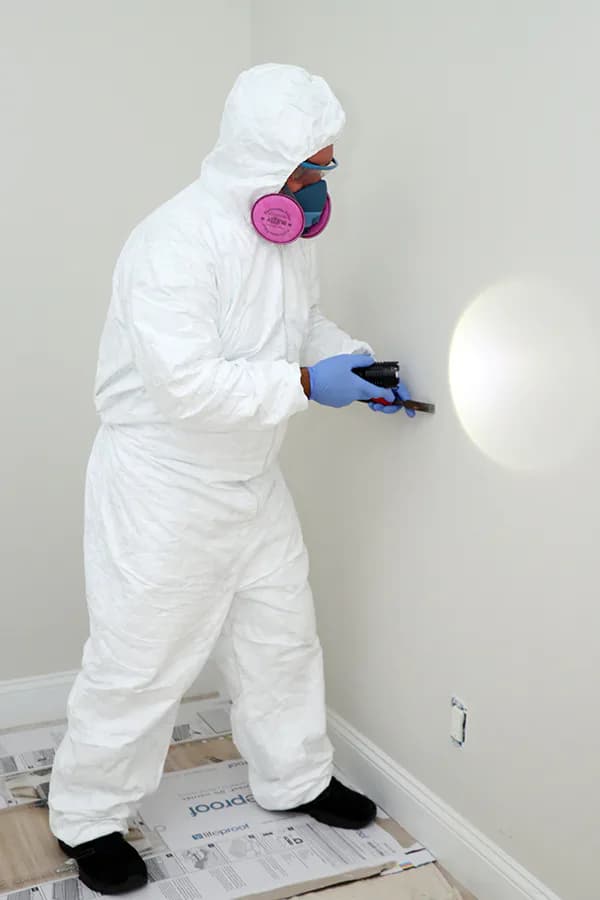
Ready to define the filing scope?
Send the address, the work area and the deadline.
We’ll confirm what the investigator needs before the visit and schedule the appropriate inspection and laboratory turnaround.